• Skip to main content
  • Skip to primary sidebar
  • Skip to footer

Mosaic MennonitesMosaic Mennonites

Missional - Intercultural - Formational

  • Home
  • About Us
    • Our History
    • Vision & Mission
    • Staff
    • Boards and Committees
    • Church & Ministry Directory
    • Mennonite Links
  • Media
    • Articles
    • Newsletters
    • Video
    • Audio
    • Bulletin Announcements
  • Resources
    • Conference Documents
    • Missional
    • Intercultural
    • Formational
    • Stewardship
    • Church Safety
    • Leaders’ Resources
    • Request a Speaker
    • Pastoral Openings
    • Job Openings
  • Give
    • Leadership Development Matching Gift
  • Events
    • Pentecost
    • Delegate Assembly
    • Faith & Life
    • Youth Event
    • Women’s Gathering
    • Conference Calendar
  • Mosaic Institute
  • Vibrant Mosaic
  • Contact Us
  • 繁體中文 (Traditional Chinese)
  • English
  • Việt Nam (Vietnamese)
  • Español (Spanish)
  • Indonesia (Indonesian)
  • Kreol ayisyen (Creole)

Articles

Bringing Healing and Hope: Ambassadors We’re Learning from the Summer Part III

July 31, 2025 by Cindy Angela

by Javier Márquez

Editor’s Note: This summer, 14 young adult Ambassadors are serving in congregations and ministries across Mosaic Conference. This article highlights four of these Ambassadors, and in the coming weeks, you will be introduced to the other Ambassadors. Read the first two articles here. 

Elizabeth Martinez, a 25-year-old Mosaic Conference Ambassador, is discovering new dimensions of leadership and spiritual growth as she serves at Homestead (FL) Mennonite. 

“I wanted to be more active in my role as a follower of Christ,” Martinez shares. “That desire to serve led me to take this journey with the Lord, stepping out of my comfort zone to grow personally and spiritually.” 

This summer, she is using her creativity and compassion to organize guided painting workshops that include fellowship, reflection, and healing through artistic expression, with Christ at the center. She is also supporting the church’s prayer services. 

“Healing, humility, and hope and values of the Kingdom of God expressed in these events,” she explained. “Both painting and prayer invite us to look inward and allow the Holy Spirit to lead our worship.” 

“I’ve learned it’s okay to rely on God when I don’t have all the answers, and I’m learning to have patience with myself and to trust in the abilities God has given me,” Martinez reflects.  

Though moments of self-doubt and lack of resources have tested her, she remains rooted in her faith. “Even when I feel overwhelmed, I know I’m not alone. I understand now, in a deeper way, the struggles faced by the prophets and the importance of taking refuge in God’s wisdom.” 

Martinez asks the Mosaic community to join her in prayer for her congregation: “Homestead is a small, aging congregation. I’ve been called to encourage my local community to seek the Lord. Please pray that the Lord would have mercy on us, and that we would see new life and growth. Pray especially for the Guided Painting Workshop—that we would have a strong turnout and that God would be glorified.” 


At just 19 years old, Lincoln Matonti is making an impact in his community as a Mosaic Conference Ambassador. Motivated by a sense of calling and supported by Redemption Church of Bristol (PA), Matonti responds to observed needs with creativity, joy, and faith-filled leadership. 

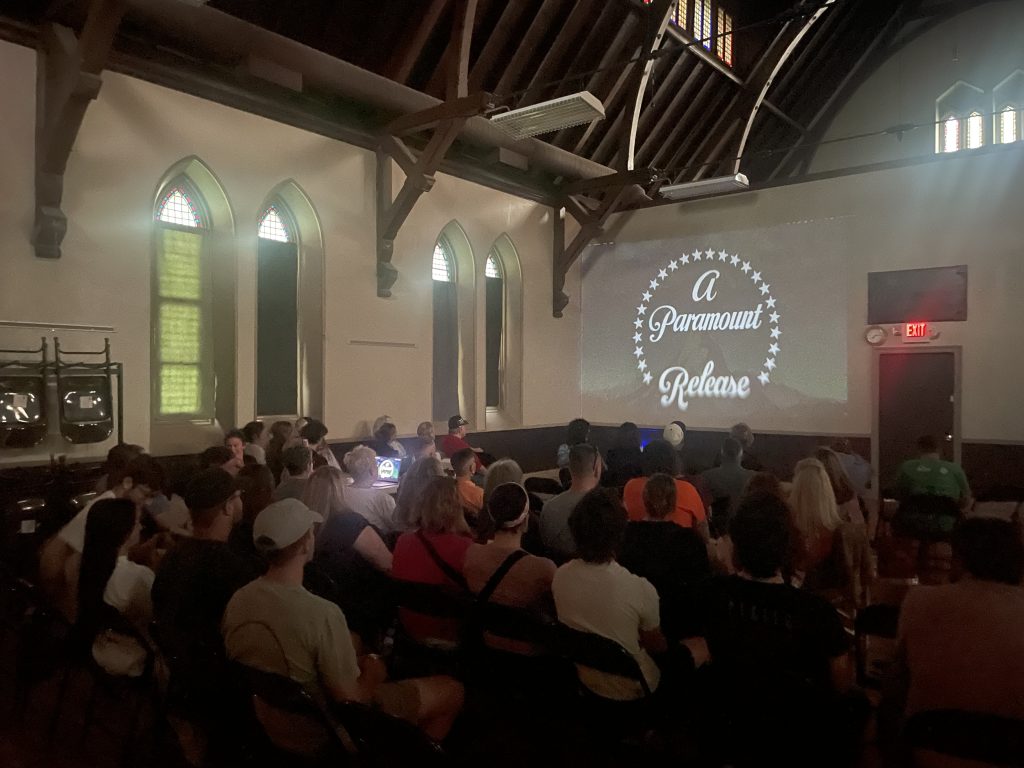
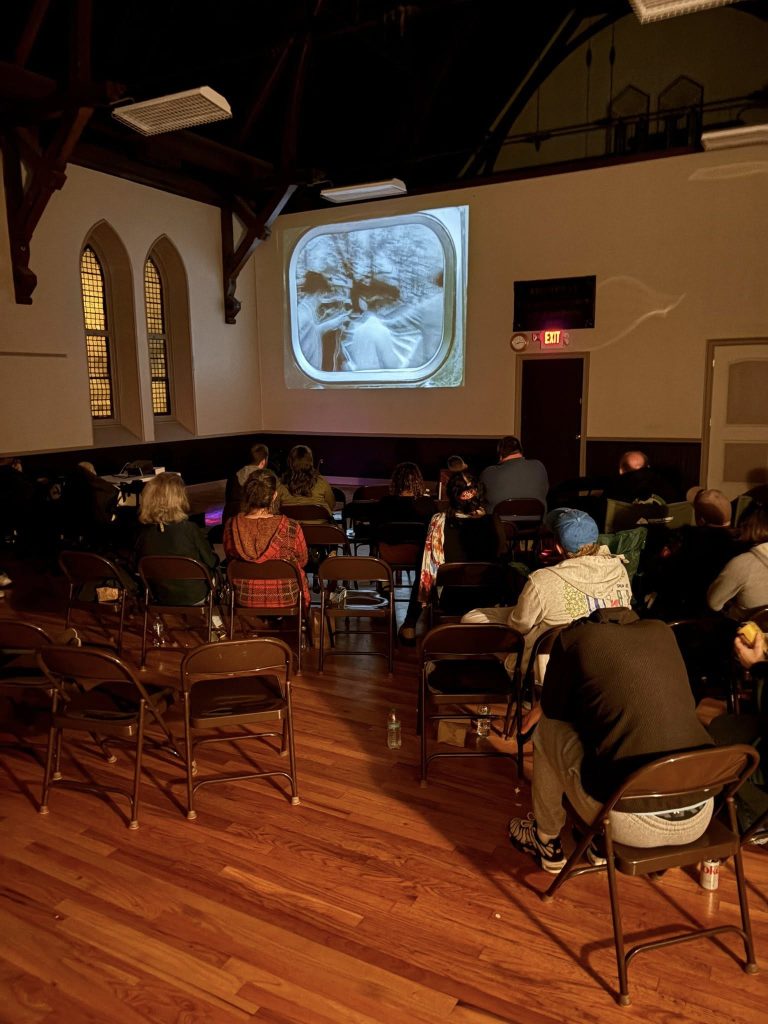
Matonti is collaborating with his church to create meaningful connections with neighbors through a unique film club outreach. This gathering invites people into thoughtful conversations about faith, community, and the role of the church. He is also helping renovate the basement space beneath the church building, transforming it into a welcoming environment for children. 

“I’ve learned a lot about the needs around me,” Matonti reflects. “I know my passion for serving the community comes from God and not myself.” 

Matonti invites the Mosaic community to join him in prayer for the people of Bristol: “Pray that their hearts would open as they hear the good news and that they would be moved to seek God.” 


Josiah Marrero became an Ambassador to build deeper relationships with the children in his community while introducing — or strengthening — their understanding of God. Marrero serves at the Crossroads Community Center (Philadelphia, PA) in the Fairhill neighborhood, where bikes are more than a pastime; they’re a signal that summer has arrived. 

“I am using my love for bikes to connect with the youth,” he shares. “I want to invite them to experience God’s love and show them God will never turn them away.” 

With only one bike available for about ten children to share, Marrero finds himself modeling patience while encouraging the children to do the same. Whether riding bikes or playing basketball, every moment becomes an opportunity to grow in grace. 

“The youth are looking for someone to guide them, whether they realize it or not. I know, because I was them not that long ago,” he says. His experience as an Ambassador is also motivating him to spend more time in Scripture and live out the lessons he’s learning. 

Marrero invites the community to join him in prayer for North Philly — for ongoing donations to support the work at Crossroads Community Center, for the protection of the youth and their families, for their neighbors beyond Fairhill, and for the provision of another bike to keep spreading the good news of Jesus Christ. 


A personal recommendation nudged Myron Tucker toward becoming an Ambassador. “Mr. Joeven told me about the opportunity and that I’d be a great fit because of who I am and how I carry myself,” Tucker recalls. That invitation was an affirmation of the leadership, passion, and heart for service Tucker was already showing in his community, College Hill (FL) Mennonite.  

Myron has experienced spiritual growth, formed meaningful connections, and embraced the joy of representing his congregation and culture. “What I’ve enjoyed most is being able to connect with people who share similar passions but come from different backgrounds and cultures. It’s helped me appreciate my own identity even more,” he shares. 

Tucker sees this summer as an opportunity to strengthen his sense of calling. “I want to be a light to other young people. Being an Ambassador helps me understand how to do that with purpose and direction.” 


Ambassadors Hold Second Online Gathering 

On July 11, the Mosaic Summer Ambassadors gathered online for connection, reflection, and encouragement as participants paused to share how God has been at work through their service. 

The meeting began with a warm welcome and check-in led by Javier Márquez, who expressed gratitude for the Ambassadors’ commitment and presence in diverse communities. “We’ve heard stories of your courage and learning. This space is for reconnecting and encouraging one another as we continue,” he said. 

After an opening prayer, each Ambassador shared their current place of service and one important moment in recent weeks—whether joyful, challenging, or transformative. The time encouraged vulnerability as Ambassadors heard echoes of their own journeys in each other’s stories. 

The devotional, led by Hendy Matahelemual, centered on Galatians 6:9 and reminded participants not to grow weary in doing good. The reflection emphasized that small acts of kindness and service matter and carry eternal weight. Ambassadors shared moments that had challenged and shaped them spiritually and emotionally during their time of service. 

In a group dialogue on learning and growth, the Ambassadors explored what they’ve discovered about themselves, their faith, and their evolving role in their communities and congregations. It was a powerful exchange filled with insight and honesty. 

Throughout the meeting, the Mosaic Conference leadership felt renewed excitement and gratitude for this program. It is a deep joy to know that each Ambassador is not only serving with joy, but also becoming a spark for meaningful conversations and transformation in the places where they’ve been sent. 

The gathering concluded with final announcements and a prayer of blessing. Our Ambassadors continue their journey grounded in faith, full of purpose, and surrounded by a community that believes in them. 


Javier Márquez

Javier Márquez is Associate for Communication and Community Engagement for Colombia. He is an Anabaptist Colombian pacifist and poet. He is based in Bogota, Colombia.

Mosaic values two-way communication and encourages our constituents to respond with feedback, questions, or encouragement. To share your thoughts or send a message to the author(s), contact Javier at jmarquez@mosaicmennonites.org.      

Filed Under: Articles Tagged With: Ambassadors, Ambassadors 2025, Ambassadors Program, formational

Mosaic Leaders Explore Jesus-Centered Leadership at Regional Gathering

July 31, 2025 by Cindy Angela

by Rose Bender Cook

Over a dozen Mosaic Mennonite Conference staff and leaders traveled to Delaware during the last weekend of June to a Jesus Collective Regional Conference. Founded in 2019 in Canada, Jesus Collective is a relational network of churches, organizations, and individuals who use an Anabaptist lens to center their faith and lives around Jesus.  

Given our work at Mosaic with the centered-set model and our emphasis on Jesus as center of our faith, we were curious to hear their perspective on Jesus-centered leadership, and how this approach intersects with power, justice, and conflict. 

Photo by Jesus Collective

The event was different than what I expected. Jesus Collective embraces a many-voiced, participatory approach. Rather than a series of lectures, the conference offered a conversational format: interviews, multi-voiced presentations, and space for small group discussion. Rather than providing answers, they invited us on a journey of shared discovery. There was time to wonder, to imagine, and to pray. 

One of the most intriguing aspects for me was to consider how holding Jesus as the center of our faith can be lived out in our congregational decisions, budgets, and in navigating differences.  

In the conversation around Jesus-centered power, Marlena Graves and Leonard Dow answered questions about their experiences. Dow shared that during his time as pastor of Oxford Circle Mennonite in Philadelphia, PA, he utilized a tool from Andy Crouch’s book Strong and Weak: Embracing a Life of Love, Risk and True Flourishing. The model calls Christian leaders to embrace the authority God has given them while also being vulnerable and taking risks, so that those they lead might flourish rather than be controlled.  

Graves shared how she was called by God to use her influence as a writer to advocate for justice when immigrant families were being separated at the U.S. border. Her story reminded us that we often have more power than we realize and that Jesus may call us to use it in disruptive, surprising ways that challenge unjust systems. 

Personally, I found myself drawn to the broader questions being asked about the church and what God is doing in the world. So often, my focus is narrowed to the needs of my congregation or our conference. This gathering invited me to zoom out. 

Leaders from Jesus Collective voiced a shared sense that we may be living through another reformation—one that, like the upheaval of the 1500s, will reshape institutions and power structures. Unlike revivals or renewals, reformation can be painful. It can feel as though the foundations are shaking. 

A diagram that Leonard Dow used during his seminar to explain Jesus-centered exercise of power.  

In the 16th century, the printing press sparked a technological revolution that changed everything. Today, we face an equally disruptive wave of technology: the internet, social media, smartphones, and AI. Information—true and false—moves rapidly across the globe. How will the church respond? 

In the first reformation, the Bible became accessible and was rediscovered by everyday people. Jesus Collective believes that in this era of change, the Spirit is inviting people to rediscover the Jesus of the Gospels. Institutions and formulas have had their day. 

The invitation was to pay attention to where the Spirit is moving and join God’s mission in the world, recognizing that it may look quite different than we expect. God is always doing a new thing. 


Rose Bender Cook

Rose Bender Cook is the Leadership Minister for Formation and the Mosaic Institute Director. She is also a pastor at Whitehall (PA) Mennonite Church.

Mosaic values two-way communication and encourages our constituents to respond with feedback, questions, or encouragement. To share your thoughts or send a message to the author, contact Rose at rbender@mosaicmennonites.org.   

Filed Under: Articles Tagged With: Centered-Set Church, Jesus Collective, Rose Bender Cook

A Devotional That Invites Reflection, Creativity, and Community

July 24, 2025 by Cindy Angela

This spring our congregation gave a copy of Drawing Near to each of our 17 college graduates. Others in the congregation have already used this beautiful book for their Lenten devotional practice. Drawing Near: A Devotional Journey with Art, Poetry, and Reflection,—edited by John D. Roth and Mosaic Conference staff person Eileen Kinch—is one of several books released by Herald Press to commemorate 500 years of Anabaptism. 

©MennoMedia

The title Drawing Near holds a thoughtful double meaning. I sense it refers to the literal inclusion of drawings throughout the book and helps readers draw closer to scripture, God, and themselves. Each of the 40 entries includes a linocut-style illustration originally commissioned for the Anabaptist Community Bible, a poem by an Anabaptist poet, a set of reflection questions, and blank space for journaling—inviting deep engagement. 

Those who notice the physical qualities of a book will appreciate this one. The paper is thicker and more opaque than that of the Anabaptist Community Bible, and the gold on the cover matches the satin ribbon bookmark. Each entry features a unique small gray dinkus that separates the text from the space where the reader is invited to write. 

One of the most powerful features of the book is the set of reflection questions accompanying each entry. A poet in our congregation whose work appears in the collection remarked, “I’m not sure who wrote the reflection questions, but you can tell they were written by a poet.” These prompts invite contemplation and close attention, drawing the reader into deeper dialogue with the visual art and poetry. 

For example, the reflection questions for the poem “Shiphrah and Puah (Selah)” invite us to read the poem aloud to hear the alliteration and rhyme, to contemplate the art as an inspiration for prayer for contemporary midwives of all kinds, bringing new life into the world, and to “say their names,” evoking a “modern form of resilience and resistance.” 

In the questions for reflection on Julia Baker’s gorgeous poem “Lydia” the questions help us understand how the poem works on us. They invite us to consider the role of color in poetry and in our prayer. We’re invited to consider our own lives as we contemplate in the final stanza “…her heart opens / even more/ to his Call, / till the whole cloth / is baptized into a lavish Yes.” And we’re invited to write a poem or prayer about colors.  

Poems like “The Tale of Abigail” help us focus on biblical characters and stories that may be less familiar to us. 

I asked one of the poets in the collection about her process for this book. Knowing she is a prolific and spiritually grounded writer, I assumed she might have drawn from her existing work. She replied, “Oh no. I spent a lot of time focused on this scripture passage and artwork. I had conversations with another poet about it. And I’m still spending time with it. I’ve written a second poem based on my text. And I’m making my way through the book slowly, savoring it, writing poems in response to other scriptures and artwork. I still haven’t read the whole book.”  She added that it was an honor to be invited to be in the company of these other Anabaptist artists and poets. 

Spending time with Drawing Near and a pen may draw out unexpected gifts.


Gwen Groff

Gwen is credentialed by Mosaic Mennonite Conference. She was pastor of Bethany Mennonite (Bridgewater Corners, VT) for 24 years. She is currently serving as an interim pastor at Community Mennonite in Harrisonburg, Virginia, an Allegheny Mennonite Conference congregation. She is a spiritual director and a parent of two adult children. 

Mosaic values two-way communication and encourages our constituents to respond with feedback, questions, or encouragement. To share your thoughts or send a message to the author(s), contact us at communication@mosaicmennonites.org.   

Filed Under: Articles Tagged With: Book Review, Gwen Groff, worth reading

Following Jesus Means Becoming Intercultural

July 24, 2025 by Cindy Angela

by Sharon K. Williams

Editor’s Note: Faith and Life Gatherings are designated meetings for credentialed and retired leaders in Mosaic Mennonite Conference to study scripture together and build relationships across the conference. The next Faith and Life Gathering will take place on September 25 and will focus on another of Mosaic’s priorities.  

Mosaic Conference’s Faith & Life team recently invited credentialed pastors and leaders to reflect on our intercultural priority (Mosaic’s two other priorities are being formational and missional).  

We reflected on Jesus’ encounter with the Syrophoenician mother (Matthew 15:21–28). We noted Jesus’ willingness to playfully engage with this Gentile woman who stood strong in her faith—that she and her people could access the same blessings from God as the Jewish believers. Jesus even affirmed her in flipping the script with her bold sassiness! We marveled at the transformation that happened for them both because of their willingness to stay engaged with each other.   

We also reflected on Paul’s teaching that “there is no distinction between Jew and Greek, because the same Lord is Lord of all, who gives richly to all who call on him” (Romans 10:12). This biblical affirmation is well known, but what challenges does it hold for us today?   

As we examined the scriptures, reflected on our ministry experiences, and prayed together, we noted the following: 

  • Culture is a way of life shared by a group of people who are bound together by ethnicity, food, values, religion or theology, politics, and many other aspects. A deeper dive into a perceived culture often reveals diversity within a culture.   
  • In the past, as Franconia Conference and Eastern District embraced their missional calling, we had to start learning how to minister across cultures.  
  • Being intercultural is different from being multicultural. We need to be aware of and respect the values that people of other cultures hold. We can recognize our culture and others’ cultures without judgment, by giving and receiving, and experiencing mutual transformation.  
  • God works through intercultural encounters to shape us and our communities. An important part of intercultural ministry and relationships is to not minimize differences between cultures but to curiously embrace the differences and be open to the transformation that can happen. 
  • Being intercultural takes work. We must seek ways to develop curiosity about other cultures as we build relationships. Then we will recognize the image of God in ourselves and others.  
  • Being intercultural includes doing the long-term, hard work of being antiracist. We must learn to recognize systemic racism and its dynamics and work together to create different ways of ministering together and respecting others. It requires commitment to stay in the struggle. 
  • Being intercultural requires the daily practice of empathy, humility, and flexibility. 

The group curiously raised these questions: What is the vision for the conference’s intercultural priority? What are our expectations? How can this priority strengthen our conference and beyond? 

Love like Jesus, preach the character of Jesus—and be transformed. 

What can we do? Loving like Jesus transforms our relationships with him and others. Preaching the character of Jesus can help us move beyond our propensity to be difficult or stuck in our ways. Like the Syrophoenician mother, people are looking for authentic transformation and healing and will cross cultural boundaries when they find it.  

We need to lean into the character of Jesus, set aside our norms, and look for the transformation. Sometimes we miss it because we operate by our blind spots. What draws our attention and what might we be missing? We must preach Jesus and be as caring and loving as him so we can recognize what is happening. We must be willing to hear and acknowledge each other and their truth.  

Intercultural transformation is a mystery, and it is beautiful! Let us press forward to learn together and receive what God has for us. 

Recommended resource

The New Testament in Color: A Multiethic Bible Commentary, edited by Amy L. B. Peeler, et al, InterVarsity Press, 2024.  


Sharon K. Williams

Sharon K. Williams serves as the minister of worship with the Nueva Vida Norristown (PA) New Life Mennonite congregation. 

Mosaic values two-way communication and encourages our constituents to respond with feedback, questions, or encouragement. To contact the author(s) of this article, please email communication@mosaicmennonites.org.

Filed Under: Articles Tagged With: Faith and Life, Faith and Life Gathering, intercultural, Sharon Williams

Hispanic Mennonite Church Cancels In-Person 2025 Biennial Meeting

July 24, 2025 by Cindy Angela

The Hispanic Mennonite Church will hold a virtual 2025 Mennonite Biennial Assembly on August 30, from 10:00 a.m. to 3:00 p.m.

by Adriana Celis for MenoTicias, translated and reprinted with permission.

In 2025, the Hispanic communities that make up the Mennonite Church in the United States are facing a profoundly challenging reality due to the tightening of immigration policies under the current administration. These policies have created an atmosphere of fear and vulnerability that directly affects congregations. This tense climate has not only led to a decrease in attendance at services, but it has also had a devastating emotional, spiritual, and economic impact—especially on families with children. 

Churches now face an ethical and pastoral dilemma: how can they continue being spaces of welcome and refuge without exposing their people to harm? Some congregations have moved their services online, sacrificing the warmth of in-person fellowship in order to protect their members.  

However, they have discovered that necessity fosters creativity: new forms of care, solidarity, and accompaniment are emerging. This crisis has awakened a stronger spirit of collaboration, crossing denominational and cultural boundaries, and reinforcing the conviction that caring for immigrants is a central calling of the Gospel.  

MenoTicias had the opportunity to speak with Pastor Sergio Nava, part of the pastoral team at Resplandece Church (Pembroke Pines, FL, Colombia, and hybrid), who shared some of the challenges they are currently facing. 

The 2025 Biennial: Discerning Wisely and Acting with Love 

Precisely because of this context, the 2025 Mennonite Biennial Assembly takes on a special significance. This event, held every two years, brings families of faith together to share, learn, make key decisions, and renew their commitment to God’s mission. 

Now more than ever, faith communities need a space to gather. However, after deep pastoral discernment and considering current risks—raids, unrest, surveillance—the Executive Board decided to postpone the in-person gathering that was to be held in Dallas, TX. Instead, they will hold a virtual Biennial on August 30, from 10 a.m. to 3 p.m. (Eastern Time), with a one-hour break. 

Far from being discouraged, they believe that virtual gatherings do not limit the Spirit’s movement. They hope this Assembly will be a profound space for prayer, formation, and renewal of Hispanic leadership. They are not victims of the system; they are sons and daughters of the King, called to plant the Kingdom of God with creativity, courage, and faith—regardless of the format. 

What Do We Need to Learn… and Unlearn? 

Nava shares that this moment is also an opportunity to question their dependencies, rethink strategies, and trust more radically in the God who sustains them. They need to unlearn the idea that their success depends solely on others. It is time to cultivate a spirituality that renews hope and pushes them to bear one another’s burdens, as taught in Galatians 6:2. 

They also need to unlearn discouragement. While they are facing complex theological and social challenges, they cannot fall into resignation. It is necessary to return to the Word, to the voice of God, which remains a sure guide in uncertain times. 

Why Participate? Because It’s Our Home, Our Voice, Our Mission 

Nava says the invitation to every individual, congregation, and leader in the Hispanic Mennonite Church to register (stay tuned for new information and login link) and actively participate in the 2025 Biennial is not just about sharing information. It’s about influencing decisions, strengthening networks, praying together, and discerning the next steps with clarity. 

On a personal level, Pastor Nava says the Assembly renews spiritual encouragement. On a congregational level, it strengthens their bonds and mission. On a denominational level, it ensures the prophetic voice of Latino communities is heard and contributes to building a more diverse, compassionate, and faithful Church—true to the message of Jesus. 

This is a time to remember, to lift our eyes, and to move forward—trusting that the God of justice and mercy continues to walk with us. 


Adriana Celis

Filed Under: Articles, Mosaic News En Español

Accompanying in Fear: A Reflection on Love and Action in a Time of Uncertainty

July 17, 2025 by Cindy Angela

by Sandra Montes-Martinez, Western District Associate Conference Minister

Editor’s Note: This reflection was first published on sister Conference Western District’s website and has been reprinted with permission.  

The day I accompanied a friend to an ICE check-in appointment, fear was thick in the air. There was silence where there is usually conversation. Tension replaced the joy that often fills gatherings. The family moved slowly, every step toward the building weighed down by questions no one could answer. What would happen today? Would they walk out together? 

I went to support my friend, but I carried my own fears too. Even with legal status, I did not feel safe. The unfamiliarity of the process, the guarded government building, and the sense that anything could change in an instant left me anxious. I knew I was there to offer strength, but I also knew that my presence was not immune to the heaviness of the moment. 

We stood together because that’s what love does. That’s what community means. We pray together, we wait together, and when fear tries to isolate us, we choose solidarity. There was no guarantee of the outcome—only the assurance that no one would walk alone. 

As we waited, I found myself returning to the teachings of Jesus, especially his words in Matthew 25: 

“I was a stranger and you welcomed me… I was in prison and you visited me.” 

Jesus does not call his disciples to comfort or convenience. He calls us to proximity, to courage, and to compassion that moves us beyond the boundaries of our safety and into the reality of others’ suffering. This moment at ICE was not a distant political issue—it was a lived, human experience of fear, dignity, and faith. 

Our faith has long emphasized radical discipleship. At its core is the belief that following Jesus is not merely about believing in him—it’s about embodying his love in the world. Those before us understood this as they resisted the establishment, rejected violence, and stood with the persecuted even when it cost them everything. 

In today’s world, we are again called to witness—especially in the face of immigration systems and the war that dehumanizes and traumatizes. We cannot be neutral in systems that oppress. Accompaniment is not only an act of friendship; it is an act of faith. It is how we say: You are not invisible. You are not alone. God sees you, and so do we. 

As Anabaptist churches and leaders, this is the moment to embody the Gospel in concrete ways. Not with grand gestures, but with presence. With hospitality. With advocacy. With courage. 

What Can the Church Do? 

  • Show Up: Accompany people to immigration appointments or court hearings. Your presence is powerful. 
  • Educate the Congregation: Offer forums or workshops on immigrant rights and how to support families navigating the system. 
  • Preach the Gospel of Hospitality: Remind your church regularly that Jesus calls us to welcome the stranger—not just in words, but in action. 
  • Support Local Immigrant Ministries: Collaborate with organizations and ministries that serve immigrant communities. Share resources and listen to what they need. 
  • Pray—and Act: Prayer is vital, but it must move us to action. Let your church’s prayers be the fuel that leads to tangible support and sustained presence.  

The story of Jesus is the story of God drawing near to humanity in our fear and vulnerability. To follow him is to do the same. When we accompany others in their most uncertain moments, we are not just helping them—we are being transformed ourselves. 

In a world that tries to separate, detain, and deport, we bear witness to a greater truth: that perfect love casts out fear. And that love, when lived faithfully, may just be the most powerful form of resistance. 


Mosaic values two-way communication and encourages our constituents to respond with feedback, questions, or encouragement. To share your thoughts or send a message to the author(s), contact us at communication@mosaicmennonites.org.         

Filed Under: Articles Tagged With: immigration, Western District Conference

The Spiritual Nature of Financial Decisions

July 17, 2025 by Cindy Angela

by Josh Meyer, Financial Representative for Everence

Note: a version of this post first appeared on Josh’s “Faithful Finance” website. To read the original column and for free access to additional articles, visit FaithfulFinance.substack.com. 

Money touches nearly every part of our lives—how we live, what we prioritize, what we worry about, and what we hope for. But too often, we treat finances like a separate category—over here on the “practical” side of life—while keeping faith on the “spiritual” side. 

That divide is artificial. And unhelpful. Because every financial decision we make is also a spiritual one. Jesus said it best: “Where your treasure is, there your heart will be also.” — Matthew 6:21 

He wasn’t saying, “Don’t have treasure.” He was saying, “Pay attention to what your treasure reveals about your heart.” 

The Spiritual Nature of Financial Decisions 

Let’s start with a basic but bold claim: Money is spiritual. Not because it’s holy in itself—but because it shapes what we love, how we trust, and what we fear. That means how we handle money isn’t just a practical matter—it’s a discipleship issue. 

Here’s what I’ve learned, both as a pastor and now as a financial advisor: 

  • People don’t just want strategies. They want peace. 
  • They don’t just want to be “better with money.” They want to feel like their money means something. 
  • They want freedom—from fear, from pressure, from shame—and to feel like they’re living with purpose. 

Sound familiar? 

These are spiritual longings. And we bring them into every budget, every investment, every giving decision—whether we know it or not. 

Reframing the Way We See Money 

So, what if we stopped asking: 

  • “Am I making enough?” 
  • “Am I spending too much?” 
  • “Am I saving the right way?” 

…and started asking: 

  • “Does the way I use money reflect what I truly value?” 
  • “Am I trusting God in how I earn, save, give, and spend?” 
  • “Does my financial life support the kind of person I believe I’m called to be?” 

When we shift the questions, we shift the outcomes. 

A Simple Starting Point 

This week, I invite you to reflect on one question:  

Where do my financial decisions and my faith most clearly align—and where do they feel disconnected? 

Be honest. This isn’t about guilt; this is about awareness.  You don’t need to have it all figured out. You just need to start paying attention to what your financial life is saying—and whether that story matches the one you want to live. 

What’s Next 

Over the next few weeks, we’ll keep digging into this theme: 

  • How faith convictions shape economic life 
  • What Jesus teaches about money and the Kingdom of God 
  • How to move from separation to integration, with real-world examples 

Then throughout the year, we’ll explore a range of topics related to faith and finance.  Each monthly theme will unfold in 4 weekly posts that offer biblical insights, real-world stories, practical tools, and actionable steps.   

Here’s an overview of where we’re headed. 

Jul –  Why Faith and Finances Belong Together 
Aug – Stewardship Over Ownership 
Sep – Simplicity in a Culture of Excess 
Oct – Investing as Discipleship 
Nov –  Earning with Integrity 
Dec –  Giving as Resistance and Renewal 
Jan – Debt, Freedom, and Trust 
Feb – Mutual Aid in Modern Times 
Mar – Creation Care and the Economy 
Apr – Justice and Global Economics 
May – Faith & Finances in Family Life 
June – A Vision for the Long Haul 

Want to Join the Journey? 

You don’t have to read every post. But if you want to think more clearly, live more freely, and give more generously,  

I’d love to walk with you. 

Let’s build a financial life that reflects the Kingdom. Not just one that works. One that witnesses. 


Josh Meyer

Joshua Meyer is a Financial Representative in the Souderton, Pennsylvania office and combines his deep faith background with helping churches and individuals combine their faith with financial decisions. 

Josh was most recently Pastor of Preaching and Discipleship at Franconia Mennonite Church for 11 years. He serves as Leadership Minister with Mosaic Mennonite Conference, providing accompaniment to four congregations. Josh is also an adjunct professor at Eastern University in the Communication Department. He serves on the Board of Directors for Living Branches and at Dock Mennonite Academy.

Filed Under: Articles Tagged With: Everence, stewardship

Summer Board and Delegate Conversations Shape Mosaic’s Future with MC USA

July 17, 2025 by Cindy Angela

Amid tension and trust, around 100 delegates and leaders from across Mosaic Mennonite Conference gathered in June and July for board and delegate conversations. With Mosaic’s relationship to Mennonite Church USA (MC USA) at a crossroads, these meetings served as a space for prayerful dialogue, two-way communication, and opportunities to give and receive counsel about next steps.  

A snapshot from one of the Zoom gatherings

The sessions focused on providing a historical overview of the communication between Mosaic Conference and MC USA and an invitation for feedback. The meetings opened with prayer and a devotional on Ephesians 4:1-6. Board members then provided, in most meetings, a summary chronology of communications over the last three years, including the letter to the MC USA Executive Board that Mosaic Conference moderators sent in 2022, expressing concerns that had arisen since the reconciliation of the Franconia and Eastern District conferences in 2019 as well as more recent concerns about the MC USA special delegate session in 2022. The letter announced the start of the two-year Pathway Process, affirmed at the November 2022 Mosaic Delegate Assembly.  

For two nearly two years, the Pathway Steering Team listened to the depth and breadth of Conference members and partners, discerned, and worked to develop a five-year strategic plan for Mosaic Conference. In August 2024, the Pathway Steering Team made their recommendation of “a pathway forward of partnership (rather than membership) and collaboration” with MC USA, which received 71% affirmation by the delegates at the 2024 Mosaic Delegate Assembly.  

In 2025, the board has been tasked with carrying out this recommendation with MC USA. In February, the Mosaic board proposed that Mosaic Conference become a program entity of MC USA (a designation already in MC USA’s bylaws) to facilitate ministry partnership. At MC USA’s request, the Mosaic board responded to four questions in writing in April, which directly name the challenges that Mosaic Conference has faced with MC USA. 

In May, MC USA’s executive board unanimously voted to deny Mosaic’s proposal to become a program entity of MC USA, and later that month, the Mosaic board declined the board-to-board mediation process offered by MC USA at this time.  

Following this update, most meetings included a time of silence, prayer, and agreement to respectful communication guidelines. Participants were invited to ask questions, and then to share counsel with the board. 

“In our delegate listening sessions, I deeply valued the time to grieve and be frustrated together around difficulties with MC USA while simultaneously being grateful for the meaningful relationships within Mosaic and excitement for our witness together in the future,” shared Conference Moderator Angela Moyer Walter. “We are listening more deeply to one another, seeking understanding rather than uniformity, and trusting God to direct our path.” 

Amongst the four June/July board and delegate conversations offered in three languages, the questions and the counsel were varied. Here are some examples, which include both direct quotes and summaries of questions and themes that emerged from the counsel:  

  • Affirmation for Mosaic’s leadership, and sorrow for the pain caused by this process. 
  • A call to ensure that Mosaic’s vision, mission, and priorities remain central and are not diminished by devoting extensive energy to this process. One participant cautioned: “Don’t allow “Mosaic’s wings to get clipped.”
  • Recognition that the unanimous vote to reject Mosaic’s proposal feels significant.  
  • A question of whether “there is any space with MC USA for mutual, respectful conversation about the ‘rules of engagement’?”
  • Noted parallels between some Mosaic congregations seeking structural change for the full inclusion of LGBTQ persons, and Mosaic’s desire for structural change within MC USA. 
  • Acknowledgment that theological differences—particularly around the welcome of LGBTQ persons—must be addressed in environments of high trust, empathy, and care. 
  • Expressions of deep frustration and alienation from MC USA among some participants, along with a desire to disengage. 
  • Immigrant congregations noting that we do not have the same privileges as other congregations that have already left Mosaic due to frustrations with MC USA. 
  • A belief that outside of MC USA, Mosaic will attract more congregations and be better positioned as a partner. 
  • A suggestion to slow the process with a “holy pause” to allow for additional discernment. 
  • A request for the Delegate Assembly to offer more time for discernment earlier in the day. 
  • Questions about how Mosaic leaders can be better supported in advocating for structural change within MC USA. 
  • A desire for clearer communication of the process’s complexity, with an emphasis on increasing understanding and capacity for ambiguity among congregants. 
  • Curiosity about what would be required to pursue mediation as a future option. 

The meetings closed with a request of prayer for the board as they discern the next faithful steps for Mosaic Mennonite Conference. The next Mosaic board meeting will take place on August 2, and the Fall Delegate Assembly will take place on November 1.  

“We appreciate the investment by our delegates in Mosaic and concerns, though varied, about our relationship with Mennonite Church USA,” shared Executive Minister Stephen Kriss. “The board will need to continue to work diligently to discern what recommendations and postures the delegates will discuss in November.”  

Kriss continued, “What is increasingly important to me within Mosaic is that we hear the variety of concerns, and that we maintain our clarity of focus on our own vision and mission while responding empathetically to one another. I am drawn back to the idea of extending Chesed, which we considered in 2022 at our first in-person gathering.  While the Spirit holds our diversity together with the tensions that emerge from within and beyond us, we remain people committed to extending God’s grace, justice and peace.” 


Mosaic values two-way communication and encourages our constituents to respond with feedback, questions, or encouragement. To share your thoughts or send a message to the author(s), contact us at communication@mosaicmennonites.org.         

Filed Under: Articles Tagged With: Board Updates, Conference Board, Conference News, delegates, MC USA

  • « Go to Previous Page
  • Go to page 1
  • Interim pages omitted …
  • Go to page 5
  • Go to page 6
  • Go to page 7
  • Go to page 8
  • Go to page 9
  • Interim pages omitted …
  • Go to page 165
  • Go to Next Page »

Primary Sidebar

  • Home
  • About Us
    • Our History
    • Vision & Mission
    • Staff
    • Boards and Committees
    • Church & Ministry Directory
    • Mennonite Links
  • Media
    • Articles
    • Newsletters
    • Video
    • Audio
    • Bulletin Announcements
  • Resources
    • Conference Documents
    • Missional
    • Intercultural
    • Formational
    • Stewardship
    • Church Safety
    • Leaders’ Resources
    • Request a Speaker
    • Pastoral Openings
    • Job Openings
  • Give
    • Leadership Development Matching Gift
  • Events
    • Pentecost
    • Delegate Assembly
    • Faith & Life
    • Youth Event
    • Women’s Gathering
    • Conference Calendar
  • Mosaic Institute
  • Vibrant Mosaic
  • Contact Us

Footer

  • Home
  • Contact Us
  • Delegate Assembly
  • Vision & Mission
  • Our History
  • Formational
  • Intercultural
  • Missional
  • Mosaic Institute
  • Give
  • Stewardship
  • Church Safety
  • Leaders’ Resources
  • Articles
  • Bulletin Announcements

Copyright © 2025 Mosaic Mennonite Conference | Privacy Policy | Terms of Use
Aligned with