• Skip to main content
  • Skip to primary sidebar
  • Skip to footer

Mosaic MennonitesMosaic Mennonites

Missional - Intercultural - Formational

  • Home
  • About Us
    • Our History
    • Vision & Mission
    • Staff
    • Boards and Committees
    • Church & Ministry Directory
    • Mennonite Links
  • Media
    • Articles
    • Newsletters
    • Video
    • Audio
    • Bulletin Announcements
  • Resources
    • Conference Documents
    • Missional
    • Intercultural
    • Formational
    • Stewardship
    • Church Safety
    • Leaders’ Resources
    • Request a Speaker
    • Pastoral Openings
    • Job Openings
  • Give
  • Events
    • Delegate Assembly
    • Youth Event
    • Conference Calendar
  • Mosaic Institute
  • Vibrant Mosaic
  • Contact Us
  • English
  • Español (Spanish)
  • Indonesia (Indonesian)

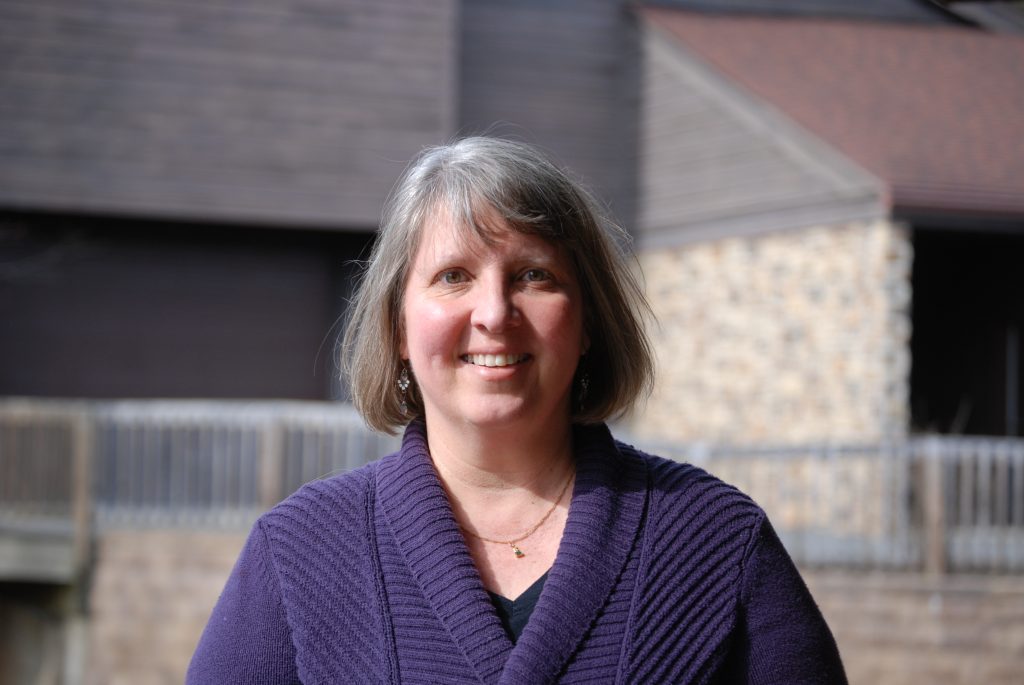
Marta Castillo

Preparing for a Bigger Tent 

February 10, 2022 by Conference Office

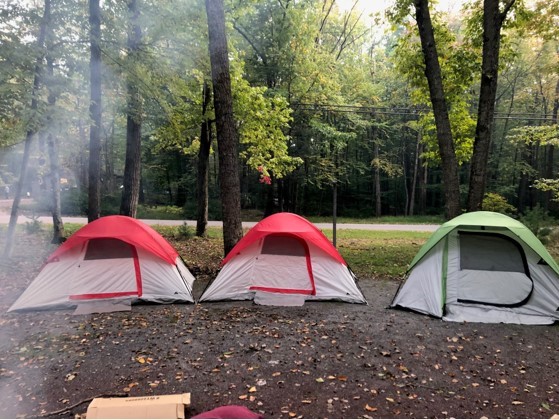
My family and I love to go camping. Over the years, as our children grew, we needed a bigger tent. There were times when friends were invited along, and we needed more tents to accommodate extra people. Both required extra space, longer, more numerous cords, and stronger stakes and hammers to secure the tents. Although we had to adjust for the increases and for the growth, we were most happy to do just that.

This past week, I started in my new role as Associate Executive Minister of Mosaic Conference. When I said “yes” to this new role, I knew that I would have to step up my game. I recalled Cindy Angela’s staff blog a few weeks ago, when she wrote about being stretched out and the discomfort that stretching may bring, based on Isaiah 54.

Recently I returned to the familiar verses of Isaiah 54 to pray and prepare: Enlarge the site of your tent and let the curtains of your habitations be stretched out; do not hold back; lengthen your cords and strengthen your stakes (Isa. 54: 2, NRSV).

The “site of my tent” is going to be enlarged by my new role. I have to adjust to being stretched out and fully engage with my new responsibilities and a number of new relationships. If I did not believe that God had called me to serve in this capacity, I would not have accepted this position. I would have held back and stayed, content with where I was.

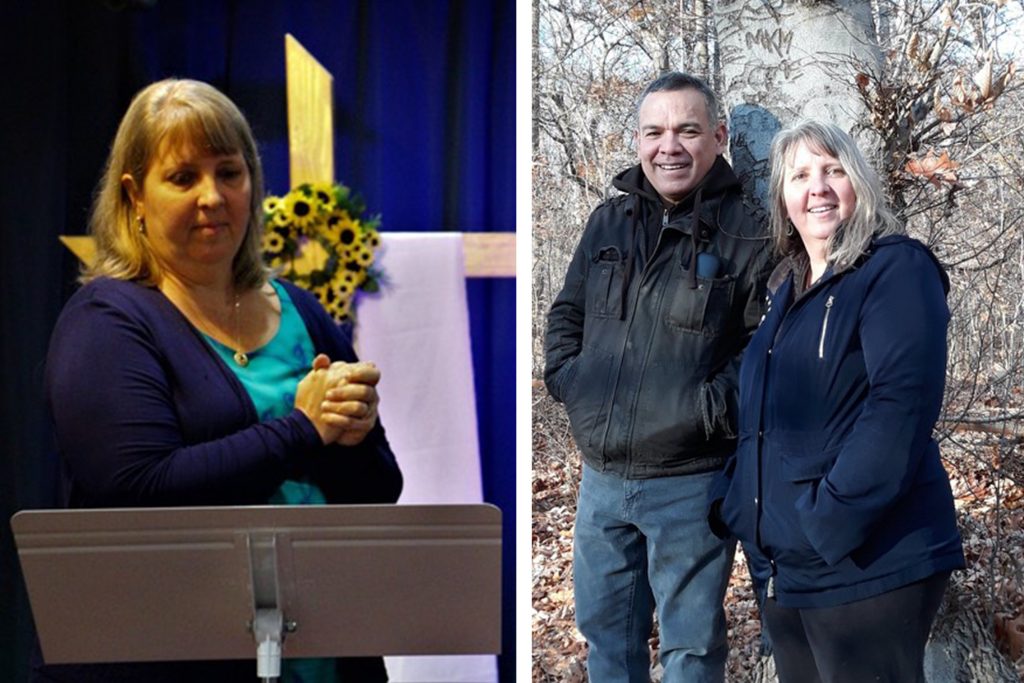
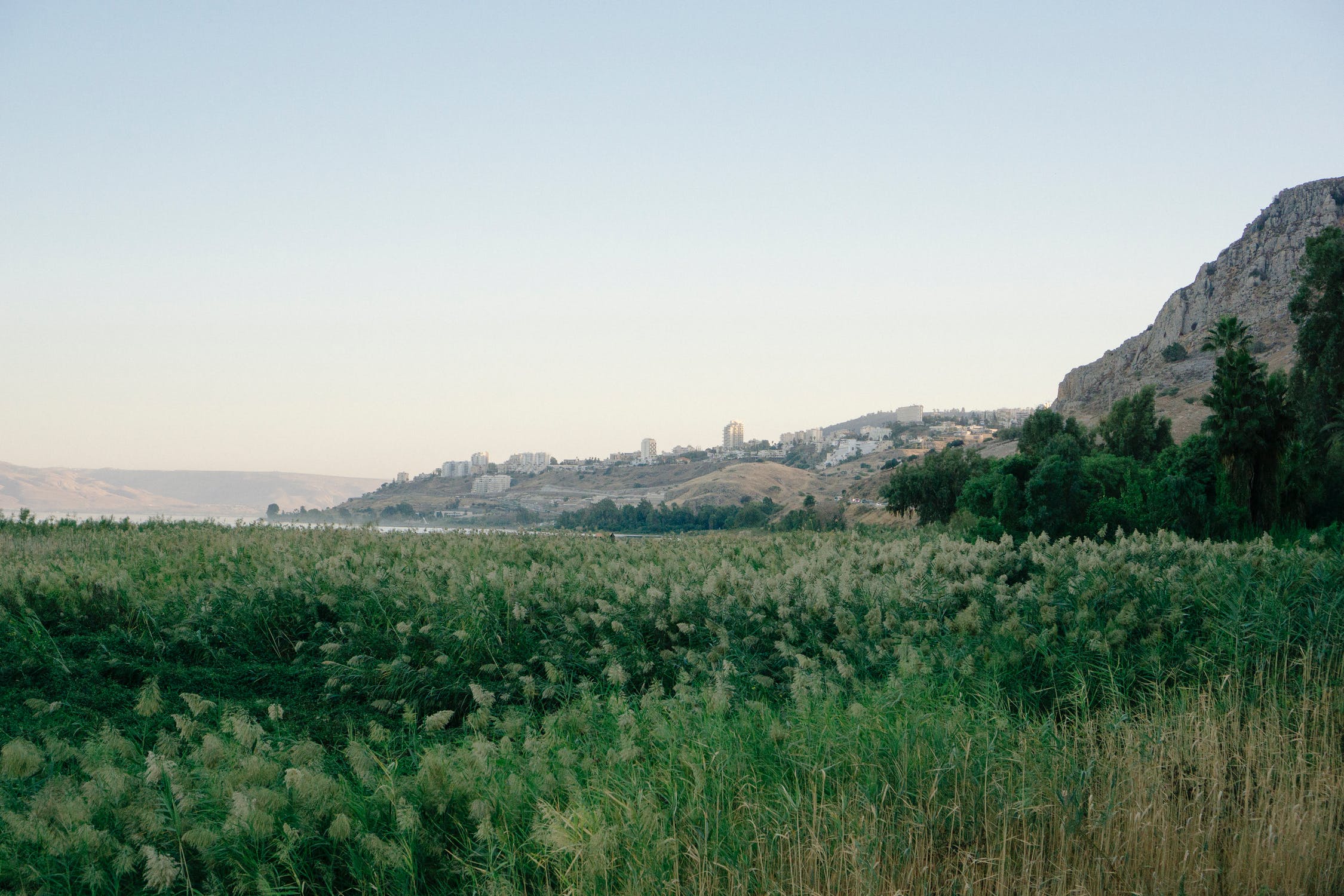
Photo by Julio Castillo.

“Lengthening cords” and “strengthening stakes” sounds like challenging work. However, I strongly believe that God will always give us what we need to fulfill what God is calling us to do. In addition, most of the new spaces God calls us into are exciting and seemingly beyond our capacities. If they were exciting, safe, and perfectly reasonable, we would not look to God for strength or seek the power of the Holy Spirit to move forward into them.

Photo by Marta Castillo

Lengthening the cords is to go further in effort and reach, to extend ourselves as Jesus did through cycles of ministry, times with friends, prayer, and rest. It means serving in ways that stretch us and help us to grow. It also increases our capacity to work with greater precision under the guidance of the Spirit.

Strengthening your stakes involves the development of a deeper capacity to seek and know the presence of God. Our depth of relationship in Christ enables us to deal with the circumstances and conflicts that will come and mistakes that we will make. It also allows us to feel the rock beneath our feet through the storms and to draw strength from the living waters in our roots during the heat of the day or times of drought.

Enlarging the site of our tents is what God does. It is the way that God’s Kingdom grows. Allow the curtains of your habitations to be stretched out, do not hold back; lengthen your cords and strengthen your stakes. Pray for me, and I will pray for you.

Filed Under: Articles, Blog Tagged With: Marta Castillo

Marta Castillo to Become Associate Executive Minister

October 28, 2021 by Conference Office

Effective February 1, 2022, Marta Castillo will assume the role of Associate Executive Minister for Mosaic Conference.

In recent years, Castillo has served as the Leadership Minister of Intercultural Formation and brings strong experience in pastoral leadership and intercultural understanding to the Conference leadership team. She is passionate about the intercultural work of unity in cultural diversity, antiracism, and racial reconciliation.

The daughter of Franconia Conference mission workers, Marta (Beidler) Castillo grew up in both Vietnam and Indonesia. While English is her first language, she lives in a bilingual family and community of English/Spanish speakers and speaks English, Indonesian, and Spanish. Castillo has been shaped by four of the cultural communities in Mosaic Conference and is well attuned to both our Conference’s history and future.

Marta Castillo will assume the role of Associate Executive Minister of Mosaic Conference in February 2022.

“We are very excited to have Marta in her new role,” said Janet Panning, Mosaic Board member and Ministerial Committee Chair. “Marta’s depth of intercultural experience and her fluency in three of our worshipping languages, combined with her deep faith commitment, make her the right person at this time in our Conference life.”

As Mary Nitzsche, the current Associate Executive Minister, moves toward retirement, she will reduce her workload but will remain on Mosaic staff. Nitzsche will continue to relate closely to the Board, along with Executive Minister Stephen Kriss, and will serve as a Leadership Minister. As Nitzsche transitions out, Castillo will continue her work with the intercultural committee while adding responsibilities with the ministerial credentialing process and representing our Conference in public settings.

Castillo is committed to prayer along with active engagement of diverse neighborhoods with the message of Good News. “I appreciate Marta’s commitment to reminding us of the Holy Spirit’s working in and among us. She not only reminds us but demonstrates it through her walk and work,” shared Noel Santiago, Mosaic Leadership Minister for Missional Transformation, who leads a conference-wide prayer time with Castillo each Wednesday at noon (Eastern). “Marta accompanies others with sensitivity to the Spirit’s leading and will bring that sensitivity to her role in helping process and discern leaders’ calling and credentialing.”

Castillo is a graduate of Dock Mennonite Academy (Lansdale, PA) and Eastern Mennonite University (Harrisonburg, VA). She has a certificate in Christian Ministry from Eastern Mennonite Seminary and is currently working on a Master of Arts in Christian Leadership through the Kairos Project (Sioux Falls [SD] Seminary), with an expected graduation date of April 2022.

From 2007-2017, Castillo served as a pastor for Nueva Vida Norristown (PA) New Life congregation. During that time, she served on the Conference board and was Assistant Conference Moderator. She also has worked with the Norristown School District, Bridge of Hope-Buxmont, and as the interim pastor at Wellspring Church of Skippack (PA).

Castillo is married to Julio and has three young adult sons and one granddaughter. She is a member at Nueva Vida Norristown (PA) New Life congregation, where she also serves as an elder.

Filed Under: Articles Tagged With: Marta Castillo

Creating Spaces

October 21, 2021 by Conference Office

Mutual transformation happens when we acknowledge, own, and celebrate our cultural differences, allowing ourselves to be changed by our relationships with God and others.  The theme for the 2021 Mosaic Annual Assembly is “Mutual Transformation,” based on  Romans 12:2-10.   

“Christians are strangers and aliens within all cultures. Yet the church itself is God’s nation, encompassing people who have come from every tribe and nation. Indeed, its mission is to reconcile differing groups, creating one new humanity and providing a preview of that day when all the nations shall stream to the mountain of the Lord and be at peace.” 

from Confession of Faith in a Mennonite Perspective, Article 10 

To be mutually transformed, we need to recognize our status as aliens and strangers in this world.  We “do not think of ourselves more highly than we ought, but rather think of ourselves with sober judgment, in accordance with the faith God has distributed to each of us” (Romans 12:3, NIV). We learn to identify and locate ourselves in cultures, worldviews, families, and systems. Then we decenter ourselves, in order to re-center ourselves in Christ so that we can be reconciled to God and to others. 

Mutual transformation within the framework of Mosaic Conference means that power and equity will shift around the table.  Part of intercultural work is letting go of power and part of the work is empowering others.  

Loosely calculated, in Mosaic Conference, 40% of our staff, 30% of our credentialed leaders, and 20% of our congregations are persons of the Global Majority (a.k.a. people of color) and that number is growing.  (People of the Global Majority (PGM) is an emerging term surrounding race that is arguably the most universally inclusive. Unlike the terms “minority” or “marginalized,” the term People of the Global Majority offers Black, Brown, and Indigenous people – who are numerically in the majority all over the world – an empowering term that encompasses a global solidarity against racial injustice.) 

“the term People of the Global Majority offers Black, Brown, and Indigenous people – who are numerically in the majority all over the world – an empowering term that encompasses a global solidarity against racial injustice.”

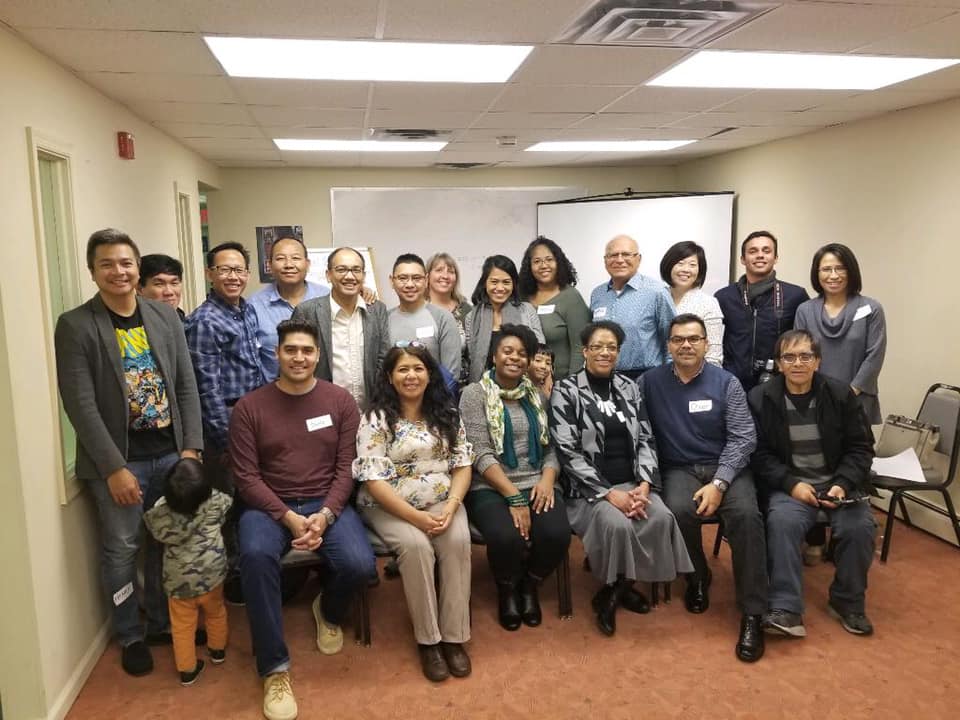
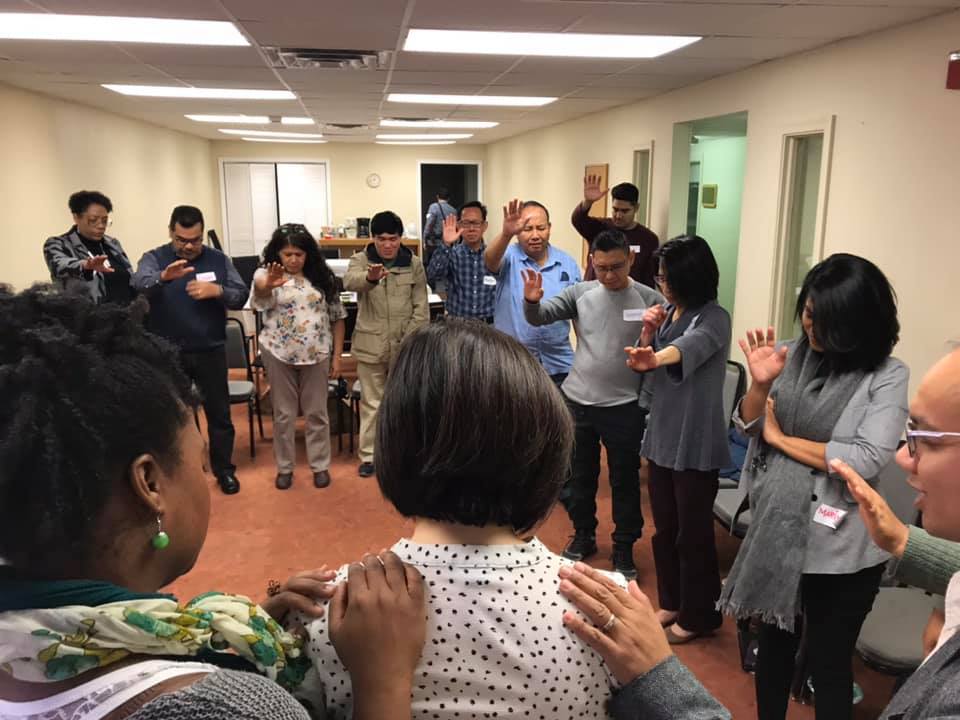
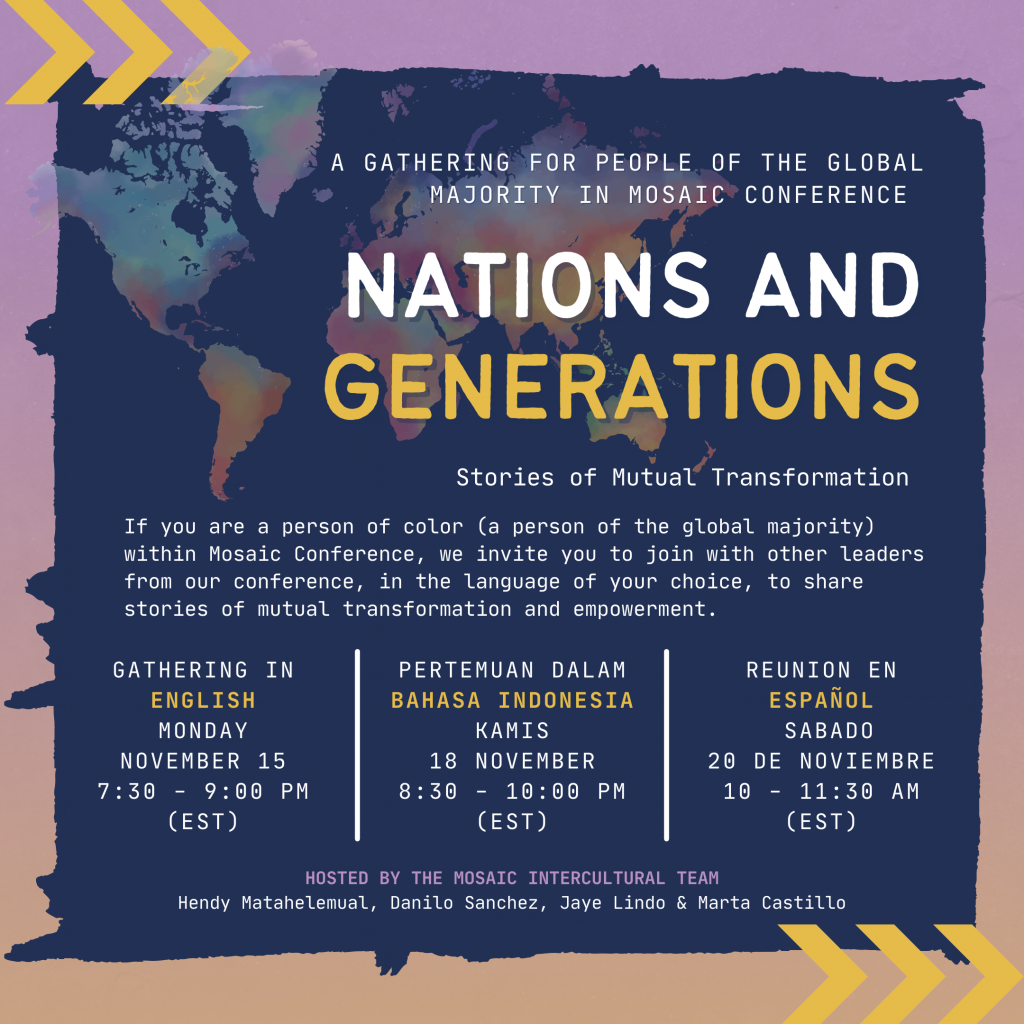
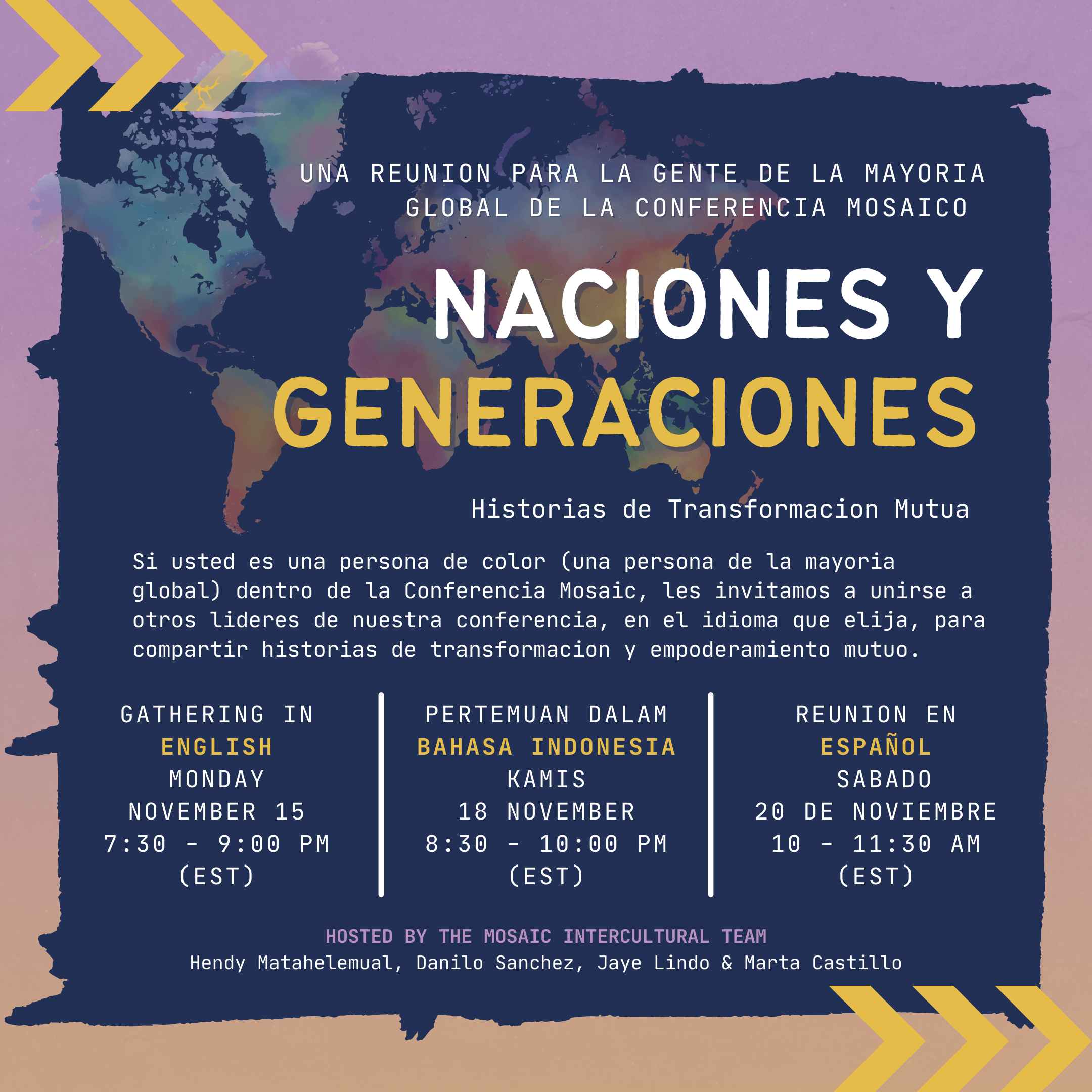
One of lesser-known components of fall Assembly is a gathering called, “Nations and Generations,” held for the leaders of the Global Majority (the leaders of color) in our Conference.  Imagine an intercultural space where language, nationality, and cultural differences are recognized and honored.  An “us” emerges from growing relationships and connections as similarities, shared experiences, and unity in Christ result in mutual transformation.  Meeting together is one way for leaders to encourage one another, worship, build vision, and celebrate God’s work.   

This year’s “Nations and Generations” gathering will be held virtually at three different events, in three languages (Spanish, Indonesian, and English).  If you are a person of color/global majority within Mosaic Conference, we invite you to join with other leaders from our Conference, in the language of your choice, to share stories of mutual transformation and empowerment. 

En Español | Dalam Bahasa Indonesia

May God bless us all as we meet together in our Annual Assembly! 

May God continue the intercultural, formational, and missional work of mutual transformation in and among us!   

Filed Under: Articles Tagged With: intercultural, Marta Castillo, Mosaic Intercultural Team, Nations and Generations Gathering

Giving Justly

February 4, 2021 by Cindy Angela

My family taught me through example to be generous with what I had and to share with those in need. The Church taught me to give a tithe of 10% of my income back to God. When I was younger, I remember reading the counsel that as your income increased, that you should seek to increase the percentage of your giving.  

When I read scriptures about Jesus’ conversation with the rich young ruler (Luke 18:18-29) and the descriptions of the early church’s economics in Acts 4:32-35, I am convinced that I am off the mark about money and wealth. 

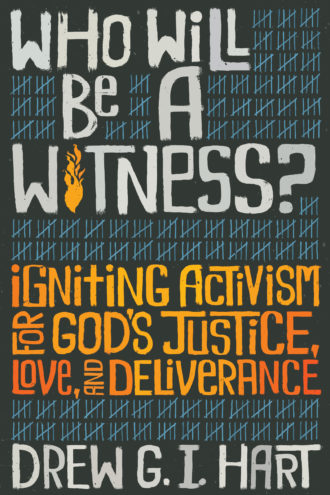
In his book, “Who Will Be a Witness? Igniting Activism for God’s Justice, Love, and Deliverance,” Dr. Drew Hart expresses the need for the church to move “from a hyper-individualistic lens of wealth as an issue of rights and private property, to the viewpoint of early Christian leaders that nothing is solely yours to do with however you desired. Everything was from God and was to be shared.  People that hoard wealth and then give to the poor are not actually engaging in charity.” (p. 250, emphasis mine) 

That is the line that stuck with me. Most of the time, I give from my extra.  I keep back what I need or may need in the future.  I give from what I think I can live without.  

Hart continued:

We ought to participate in the new thing God is doing, and it cannot exclude our economic discipleship and our relationship to wealth and poverty.  There is significant dissonance between the American church and the thrust of biblical teaching on wealth and poverty, especially when we see that scriptural wisdom climaxes in the life and teachings of Jesus.  We will not find a faithful way of participating in God’s economy until we are converted from our internalized thinking, which is apathetic to poverty and triggered by any form of redistribution of resources.” (p.250)

How do I (and how do we) move towards giving “with an eye towards redistribution and not merely comfortable charity”?

Injustice has always allowed for unequal distribution of money and wealth.  Injustice and racism in the United States has benefitted white people economically.  This video by Phillip Roger Vischer (co-creator of Veggie Tales and What’s in the Bible, founder of Big Idea Productions and Jellyfish Labs) gives an excellent explanation of the ways that wealth has been unequally distributed over the years.  

When the rich young ruler heard Jesus’ word, he turned away from Jesus (Luke 18:23). But Zacchaeus does not. Instead, Zacchaeus stood up and said, “Look, Lord! Here and now I give half of my possessions to the poor, and if I have cheated anybody out of anything, I will pay back four times the amount” (Luke 19:8, NIV)  Zacchaeus gave money to the poor, but he also made reparations and made amends for the wrong he had done, by paying back money to those who had been wronged.

During our recent webinar with Dr. Hart, I asked, “What steps can we take to answer Jesus’ call to be radically faithful with our wealth?”  

Hart responded, “If you care about something, you will find ways to respond.”   

Lord Jesus, I care about your call to economic justice and discipleship.  Help me to find meaningful ways to respond and to be faithful!

Filed Under: Articles, Blog Tagged With: Marta Castillo

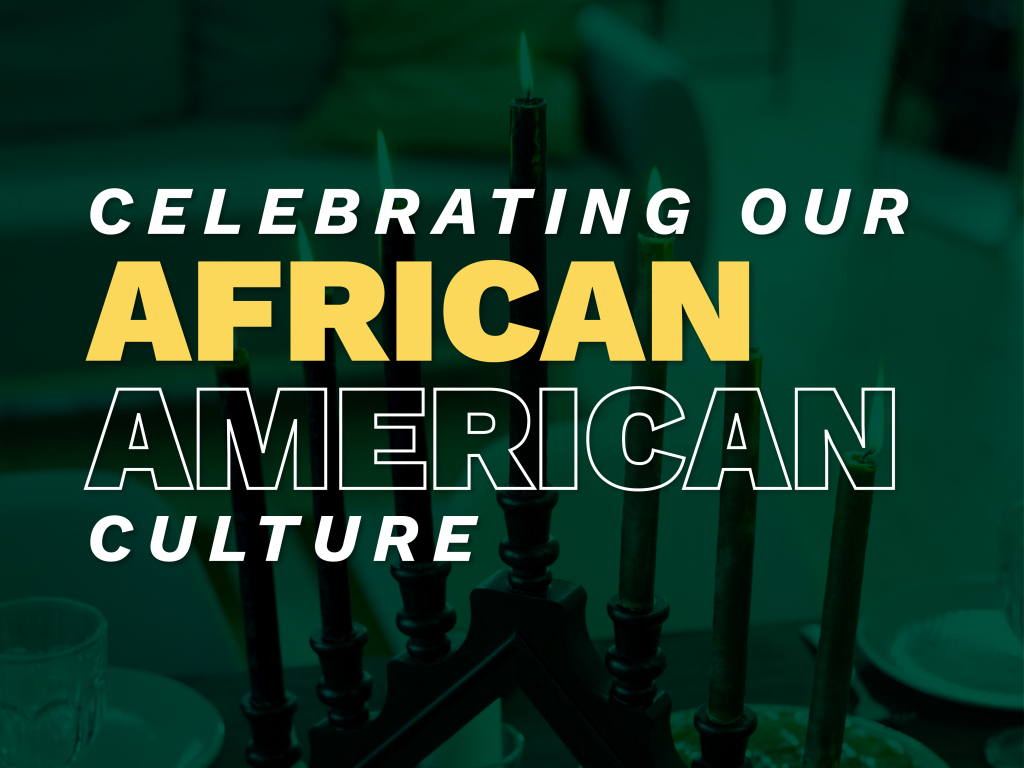
Celebrating our African-American Culture

January 13, 2021 by Cindy Angela

Charlene Smalls, minister at Ripple (Allentown, PA), is passionate about educating our African American community of its rich history and rich roots. Her passion is heightened now, in this time of grief and trauma due to COVID-19, our inability to gather with family and friends in community, and racial unrest and injustice. She invites all of us to awaken to the needs of the Black community and work together to address those needs.

“Awaken my brothers and sisters to the rich roots and culture of the Black men and women that you sit with, mostly in silence. Embrace us as a people, a culture, and a community,” Smalls said. “Sit with your heart rather than just speaking from your education and your book learning and look at the picture. You can not speak to an issue that you haven’t lived.”  

From December 26 to January 1, Smalls shared about Kwanzaa, a weeklong celebration of African and African American culture, with her congregation. “I heard about diversity, diversity, diversity when I came into the conference. I learned about the Mennonite faith, accepted it, and celebrated it as my faith,” said Smalls. “Kwanzaa celebrates and affirms black people. I invite you to learn and celebrate our culture, accomplishments, and principles with us in the same spirit that I celebrate with you.”  

Yvonne Platts, of Nueva Vida Norristown (PA) New Life, has been celebrating Kwanzaa for many years. Because of COVID-19, she went online to share the principles. She hopes that people can see and embrace the beauty, strength, and gifts of Black people.  

Minister Charlene Smalls and Yvonne Platts posted videos of their Kwanzaa celebrations on Facebook. Learn more about Kwanzaa through these videos that our sisters recorded with commitment, love, and passion.  

“Kwanzaa offers a new dialogue on Black culture, about our positive contributions to the world, and not just the negative stigma of race,” says Dr. Adam Clark, associate professor of theology, Xavier University. “The beauty of Kwanzaa is it doesn’t start Black history from slavery,” explains Clark. “It actually starts us as inventors of civilizations.”

Kwanzaa, comes from the Swahili phrase, “matunda ya kwanza,” or “first fruits of harvest.”  It is celebrated annually, December 26 through January 1. 


The seven principles (nguzo saba) of Kwanzaa include: 

  • Unity (umoja)  – To strive for and maintain unity in the family, community, nation, and race. Unity in Christ – Ephesians 4:1-6;11-13
  • Self-determination (kujichagulia): To define, name, create, and speak for ourselves.  Take Hold of the Prize – Philippians 3:12-17
  • Collective work and responsibility (ujima): To build and maintain community; to make our brothers and sisters’ problems our problems, and to solve them together.  Working Together – I Thessalonians 5:12-18
  • Cooperative economics (ujamaa):  To build and maintain our own businesses and profit together from them.  Community Harvest – 2 Corinthians 9:10-15
  • Purpose (nia): Our collective vocation is one that builds and develops our community in order to restore our people to their traditional greatness.  Caring for One Another – Hebrews 13:1-7
  • Creativity (kuumba): To always do as much as we can, in order to leave our community more beautiful and beneficial than we inherited it.  Sharing Our Gifts – 1 Corinthians 12:1-11
  • Faith (imani):  To believe fully in our parents, teachers, leaders, people, and the righteousness and victory of our struggle. Faith, Love and Understanding – Ephesians 1:15-25

The primary symbols of Kwanzaa are the seven candles, candle holder, unity cup, placemat, crops, corn, and gifts. A key custom during Kwanzaa is the daily lighting of the Kinara, the candle holder. The black candle symbolizes the people themselves, the red candles are for the struggle or blood shed in the past, and the green candles represent the Earth or the abundance of future possibilities.

Filed Under: Articles Tagged With: Charlene Smalls, kwanzaa, Marta Castillo, Yvonne Platts

Introducing the New Intercultural Committee

December 30, 2020 by Cindy Angela

We need another committee!  

What? 

Said who? 

Said the newly formed Mosaic Mennonite Conference.

With the formation of Mosaic Mennonite Conference, the new by-laws included the inclusion and formation of the Intercultural Committee. This committee shall provide leadership in the areas of undoing racism, sexism, and cultural bias, and in facilitating and supporting mutual transformation in intercultural contexts. This committee will be represented on the conference board by its chair as a non-voting member. 

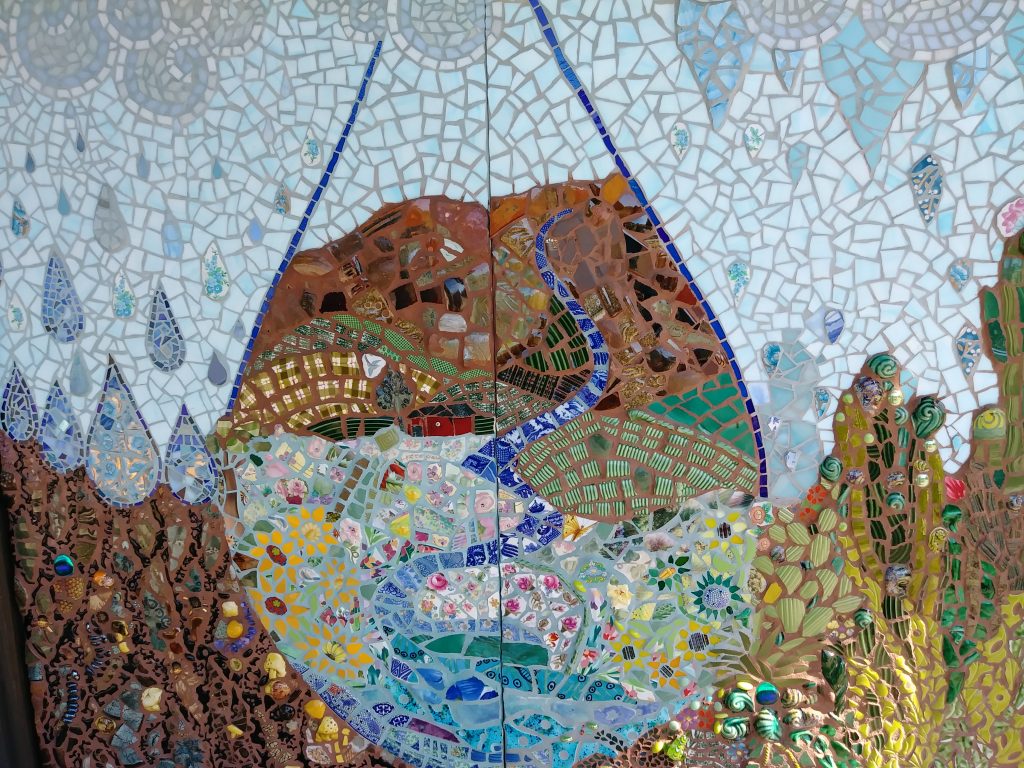
Photo by Marta Castillo

As a conference located in multiple states and with global connections, we believe God’s design is for all people in all places to flourish and be transformed by loving, mutual relationships with God and one another.  To see this become a reality, by the power of the Spirit, we shape our lives and our work together around missional, intercultural, and formational priorities.

We have this intercultural priority: “As human beings made in the image of God, we acknowledge, own, and celebrate our cultural differences, allowing ourselves to be changed by the relationships we build across cultures while we work together for racial justice.”  

With this priority, we purposely bring people of different cultures and ethnicities alongside one another. However, we are committed to something deeper than that. We strive for more than just a distant appreciation of one another, or other cultures accommodating to the dominant white culture. 

An intercultural commitment means we nurture “a deep understanding and respect for all cultures.” This means we work at deep relationships, even if this means uncomfortable conversations, where “no one is left unchanged because everyone learns from one another and grows together” (see Spring Institute for more).

Photo by Marta Castillo

The work has already begun. In the past 3 years, an intercultural staff team of Chantelle Todman, Marta Castillo, Hendy Matahelemual, Aldo Siahaan, and Danilo Sanchez have been assessing and moving current relationships and communities in an intercultural direction. We have been building connections between communities and leaders of the global majority. We have also been educating and coaching congregations and leaders around the themes of racial justice, cultural differences, and mutual transformation. 

During our first meeting with the intercultural board committee in October 2020, staff shared the work that we have done as a team. We look forward to joining and following the lead of this new committee.

Diverse in geography, culture, gender, and age, this new committee represents experience, passion for intercultural work, and desire to see growth in themselves, their congregations, and in the conference.  We ask for your prayers and your support for this committee and for this intercultural work. 

The Mosaic Intercultural Committee members are:

  • Beny Krisbianto, chair, Nations Worship Center, Philadelphia, PA
  • Roy Williams, College Hill Mennonite Church, Tampa, FL
  • Josue Gonzalez, Encuentro de Renovación, Miami, FL
  • Emmauel Mwaipopo, Nueva Vida Norristown New Life, Norristown, PA
  • Jocelyn Clement, Eglise Evangélique Solidarité et Harmonie, Philadelphia, PA
  • Jenna Villatoro, Philadelphia Praise Center, Philadelphia, PA
  • Steve Zacheus, JKI Anugerah congregation, Sierra Madre, CA 
  • Marta Castillo (conference staff)
  • Danilo Sanchez (conference staff)

For further information and resources, please go to https://mosaicmennonites.org/intercultural/.

Filed Under: Articles Tagged With: Beny Krisbianto, Danilo Sanchez, intercultural, Marta Castillo

Jesus and Coffee

June 24, 2020 by Marta Castillo

by Marta Castillo, Conference Leadership Minister

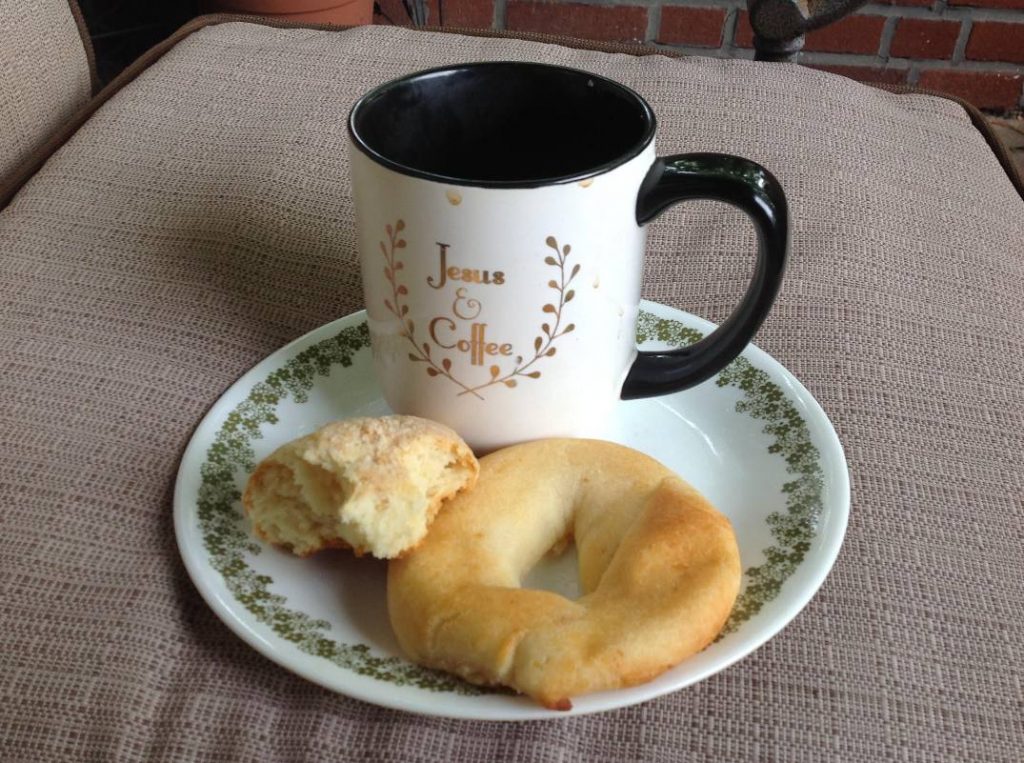
A friend of mine gave me a mug with “Jesus & Coffee” inscribed on it.  I didn’t really like it at first because it felt irreverent.  I mean, I love coffee, but it couldn’t and shouldn’t be compared with Jesus.  

In the recent months of the stay at home reality of COVID-19, my “Jesus & Coffee” mug has come to represent a deep need in my spirit to slow down, seek the Kingdom, and spend time in God’s presence. 

When I had small children, I learned to eat really fast so that I could be done before they were done. I also learned to pray breath prayers (Lord, please help me; Give me patience; Let me sleep) because I had no time to sit and be still. That season of my life is long gone, but I am still learning how to eat more slowly and enjoy my food. I am also still learning to pray more slowly and deeply, and enjoy my time with God.

I technically work three jobs and manage a household, so life is full and crazy. But there are slow days. Whether my work day is busy or not, I still struggle with sitting still and spending time with God.  I get distracted by small tasks, social media, and reading.  

The scripture passage that has been on my heart these days is Isaiah 30:15, “This is what the Sovereign Lord, the Holy One of Israel, says: ‘In repentance and rest is your salvation, in quietness and trust is your strength, but you would have none of it’” (NIV). 

When I do sit with God, and listen, pray, and reflect, God’s Spirit moves and disciples me.  I am re-aligned to the plans and purposes of the Kingdom of God.  I am strengthened and encouraged in God’s peace and love.  It is the repentance, the turning towards and waiting on God, and the rest  that saves me from my anxious thoughts, distractions, and fear.  It is the stilling of my body, soul, and spirit and the confession of faith and trust in God that gives me direction and strength.  

So why would I have none of it?  Why would I drag my feet on the way towards the Shepherd who provides?  Why would I resist the green pastures and still waters?  Why wouldn’t I jump out of the boat with abandon and swim toward Jesus like Peter and rush to have breakfast with my Lord on the beach?  

Even as I resist, the word of God promises, “The Lord longs to be gracious to you; therefore he will rise up to show you compassion. For the Lord is a God of justice. Blessed are all who wait for him!” (Isaiah 30:18, NIV) 

I extend to you the invitation that God’s Spirit through Jesus has extended to me for ongoing salvation and strength: “Here I am! I stand at the door and knock. If anyone hears my voice and opens the door, I will come in and eat with that person, and they with me.” (Revelation 3:20, NIV)  

Therefore, I will choose to sit on my front porch and enjoy my coffee with the blowing wind, the warmth, and the shelter of the trees.  I will choose to quiet myself, to turn towards God in repentance and wait for my salvation and strength.

Filed Under: Articles, Blog Tagged With: formational, Marta Castillo

A Stimulus Relief Package

April 27, 2020 by Conference Office

Jesus Meets the Wants Beyond the Needs

by Marta Beidler Castillo, Leadership Minister (Wellspring congregation)

Before Jesus feeds the five thousand (John 6), he sees a great crowd coming toward him and he says to Philip, “Where shall we buy bread for these people to eat?”  He asked this to test Philip, John says, because Jesus already knew what he was going to do.

Right now, I feel like Philip, who answers, “It would take more than half a year’s wages to buy enough bread for each one to have a bite!”  I am wondering where the provision will come from to meet all the needs we’re seeing just in our conference, congregations, Conference Related Ministries, and connected ministries in Mexico and beyond. Maybe it’s a test for us, since God already has in mind what God is going to do.

Luke Beidler and Marta (Beidler) Castillo working together in home office. Photo by Dorothy Beidler

Going back to the story, we remember that Jesus fed them all as much as they wanted with a boy’s offering of five small barley loaves and two small fish.  I am now the small boy ready to offer what I have and stand back to watch how God will bless, multiply, and distribute all that is needed and wanted.


A Stimulus Relief Package and the Shalom Fund

by Luke Beidler, Methacton congregation

This week, the Times Herald pictured President Trump signing the corona virus stimulus relief package at the White House.  The article headlined, “Relief checks are a lifeline for some, a cushion for others.”

What do these checks mean for me?  For you?

As I answer this question, I feel my identity as a follower of Jesus, as a member of an Eastern District & Franconia Conference congregation. I strongly feel my commitment to the Anabaptist faith, to feeding the hungry, and to healing the sick. This is exactly the time for us to show our colors, to put ourselves on the front lines together with first responders, doctors, and nurses.  To show ourselves willing to sacrifice that others may live! Can we join all people of faith and the secular community, seeking the welfare of the towns and cities of all the nations? Praying and supporting a fair, just distribution of required resources!

So what does it mean for me and my family?  Can I, as a landlord (I hate that term), be part of the vision to forgive late and unpaid rents, especially for those affected by the virus or loss of job?  Can my wife and I add stimulus to stimulus by matching Everence funds in our local congregation to cover some of the losses of our members and next-door neighbors?   Freely received, freely give!  How about carrying with you envelopes with a hundred dollars to give a stranger who reveals a real need?!

And can we move from our local congregations and counties to pick up the unequal burdens that our urban congregations and their populations face? Pandemics demand an out-in-the-world dynamic. Now is not the time for a scarcity mentality but a joyous generosity to give people hope one day at a time. This is the vision of the Shalom Fund that Eastern District & Franconia Conference has announced for our consideration. In a pandemic, the disadvantages of the homeless, immigrants, and lower income families grow. I would like to see each of us, with passion, pass on and multiply our stimulus checks.  I would like to see each of our conference congregations each give $10,000 for a stimulus relief offering for the healing of the nations.

May the open hand rather than the closed fist be our learning and joy!

Marta Beidler Castillo and Luke Beidler are daughter and father.  If you would like to learn more about the conference Shalom Fund or donate to the fund, please click here.

Filed Under: Articles, Blog Tagged With: coronavirus, Luke Beidler, Marta Castillo, Shalom Fund

  • « Go to Previous Page
  • Go to page 1
  • Go to page 2
  • Go to page 3
  • Go to page 4
  • Go to page 5
  • Interim pages omitted …
  • Go to page 7
  • Go to Next Page »

Primary Sidebar

  • Home
  • About Us
    • Our History
    • Vision & Mission
    • Staff
    • Boards and Committees
    • Church & Ministry Directory
    • Mennonite Links
  • Media
    • Articles
    • Newsletters
    • Video
    • Audio
    • Bulletin Announcements
  • Resources
    • Conference Documents
    • Missional
    • Intercultural
    • Formational
    • Stewardship
    • Church Safety
    • Leaders’ Resources
    • Request a Speaker
    • Pastoral Openings
    • Job Openings
  • Give
  • Events
    • Delegate Assembly
    • Youth Event
    • Conference Calendar
  • Mosaic Institute
  • Vibrant Mosaic
  • Contact Us

Footer

  • Home
  • Contact Us
  • Delegate Assembly
  • Vision & Mission
  • Our History
  • Formational
  • Intercultural
  • Missional
  • Mosaic Institute
  • Give
  • Stewardship
  • Church Safety
  • Leaders’ Resources
  • Articles
  • Bulletin Announcements

Copyright © 2026 Mosaic Mennonite Conference | Privacy Policy | Terms of Use
Aligned with