
 Telford, Pa. — Jeffrey Godshall has recently been named trust representative by MMA. Working in the Telford, PA, office he is now serving individuals and institutions throughout eastern Pennsylvania with trust and investment services. Before joining MMA, Godshall worked as controller for Richard B. Souder Masonry, Inc., Telford, Pa., for nine years.
He graduated Suma Cum Laude with a bachelor’s degree in accounting and a pre-MBA minor from Philadelphia University. Godshall received the Sara Tyler Wister Award for excellence in scholarship. Living in Harleysville, Godshall and his wife Donna attend Franconia Mennonite Church. He serves on the board of directors of Mennonite Historians of Eastern Pennsylvania as treasurer and is past secretary of Mennonite Disaster Service of Southeastern Eastern Pennsylvania and New Jersey.
About MMA
MMA helps people manage resources in ways that honor God through its professional expertise in insurance and financial services. Rooted in the Anabaptist faith tradition, MMA offers practical stewardship education and tools to individuals, congregations, and organizations. To learn more, visit www.MMA-online.org or call (800) 348-7468.
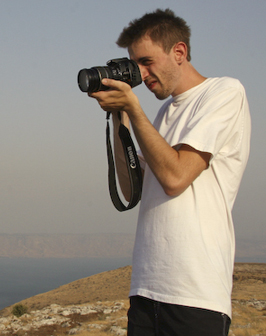 Tim Moyer continues on staff after serving as an intern during the summer and early fall through a grant from
 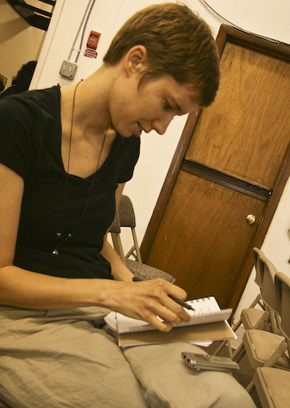 Lora Steiner began working with the conference in August. She is a student at Drew University Theological School, in the Masters of Divinity program. Lora will be responsible for writing news articles and editing press releases. She previously worked with
 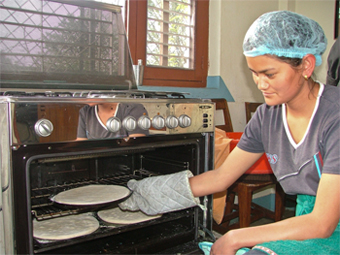 KATHMANDU, Nepal (Mennonite Mission Network) – Few people connect Nepali cuisine to frozen pizzas and tater tots. Yet when Reena Thapa goes to work, she stands at a counter, smoothing bright red sauce over eight circles of pale pizza dough. Her long dark hair is swept neatly under a hair net and streaks of dusty, white flour smudge her apron.
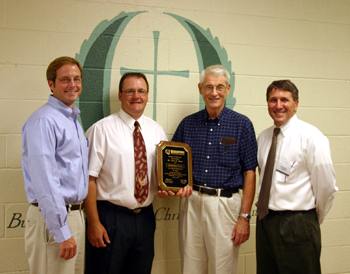 Moyer has also carried on another family commitment: Moyer’s father helped to establish Rocky Ridge Mennonite School (now Quakertown Christian School) in 1951. Moyer’s passion for Christian education has led him to serve as chair of the school board as well as a member of various committees. He was instrumental in the construction of the school’s new campus,
 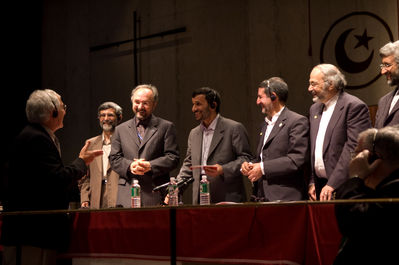 Dow, who was invited to participate by Mennonite Church USA, says that the dialogue helped him to better understand the issues surrounding U.S. foreign policy as well as Christian-Muslim relations, issues which relate to his neighborhood. Dow is African-American and pastors a multiracial congregation, and notes that the numbers of Arab Muslims as well as African-American Muslims is growing in cities across the United States. He says that religious diversity is increasing all around the city– in west Philadelphia, Germantown, and even at the
 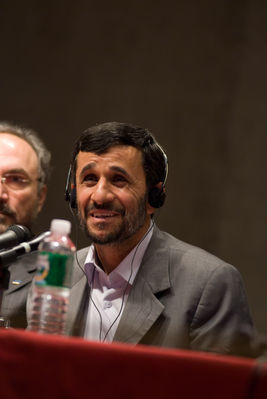 Dow says that given his limited interaction with