• Skip to main content
  • Skip to primary sidebar
  • Skip to footer

Mosaic MennonitesMosaic Mennonites

Missional - Intercultural - Formational

  • Home
  • About Us
    • Our History
    • Vision & Mission
    • Staff
    • Boards and Committees
    • Church & Ministry Directory
    • Mennonite Links
  • Media
    • Articles
    • Newsletters
    • Video
    • Audio
    • Bulletin Announcements
  • Resources
    • Conference Documents
    • Missional
    • Intercultural
    • Formational
    • Stewardship
    • Church Safety
    • Leaders’ Resources
    • Request a Speaker
    • Pastoral Openings
    • Job Openings
  • Give
  • Events
    • Delegate Assembly
    • Youth Event
    • Conference Calendar
  • Mosaic Institute
  • Vibrant Mosaic
  • Contact Us
  • English

MennoMedia

Leaning into the Transformational Power of Stories

May 28, 2026 by Cindy Angela

by Cindy Angela

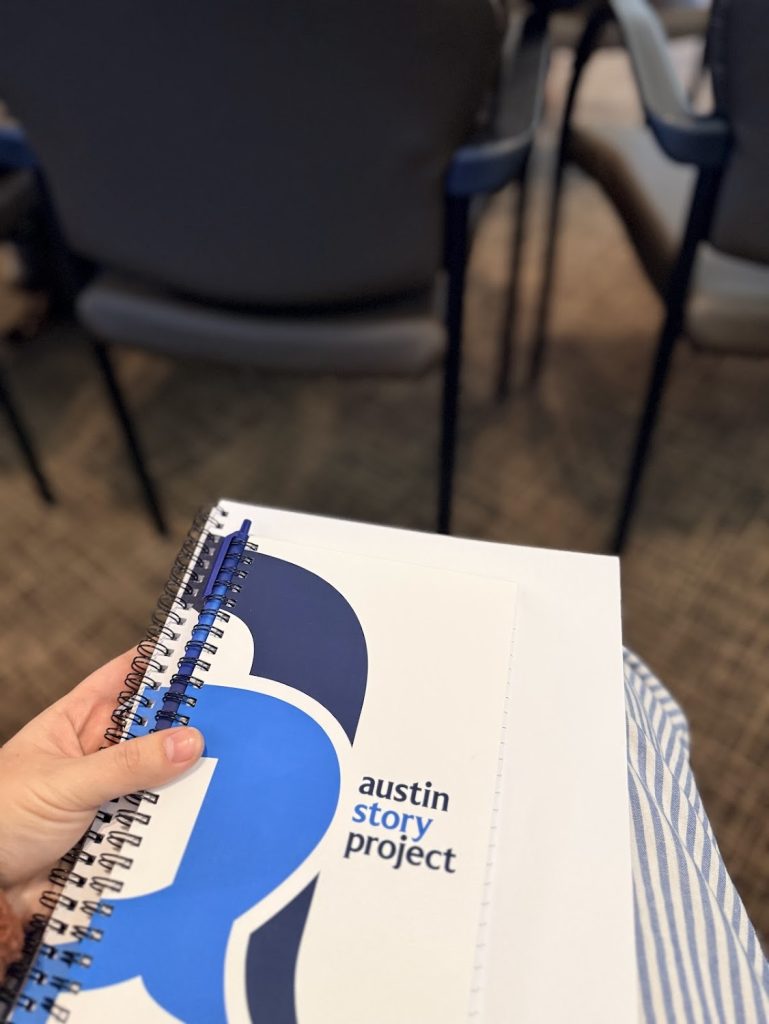
Earlier this year, MennoMedia applied to join a storytelling program called the Austin Story Project, a storytelling program by Austin Seminary. The program trains leaders from interdenominational congregations and Christian organizations across the country to facilitate storytelling circles in their communities.

MennoMedia was accepted to send two participants. As MennoMedia and Mosaic experiment with new ways of partnering together, they invited Mosaic to fill the second seat, with the hope of putting what we learn to use together. I went to represent Mosaic.

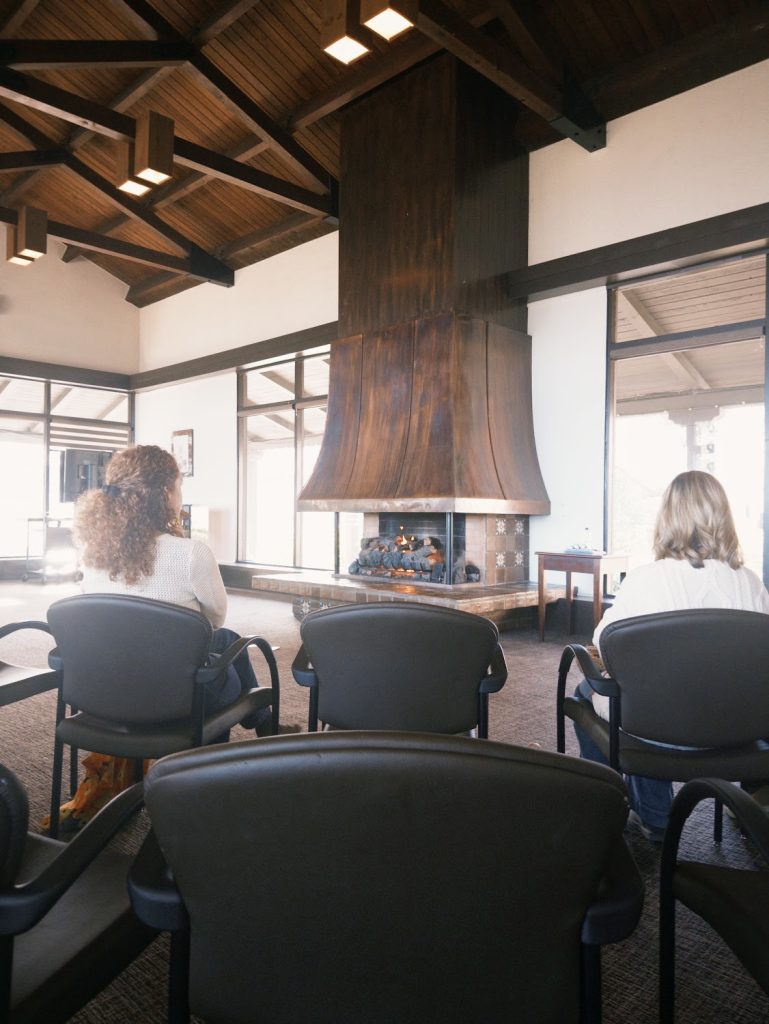
From January 18-22, 2026, I traveled to Danville, California, alongside Chrissie Muecke of MennoMedia for the first in-person training. The training was led by Mark Yaconelli, co-founder of the Austin Story Project and founder of The Hearth, a nonprofit organization dedicated to the practice of storytelling.

Over five days, we were immersed in the practice and theology of Christian storytelling. It was a formative experience. I learned a great deal about the power of stories in community, and how stories can help us understand each other across difference. Beyond the training itself, I appreciated that there was space for worship, rest, and connection.

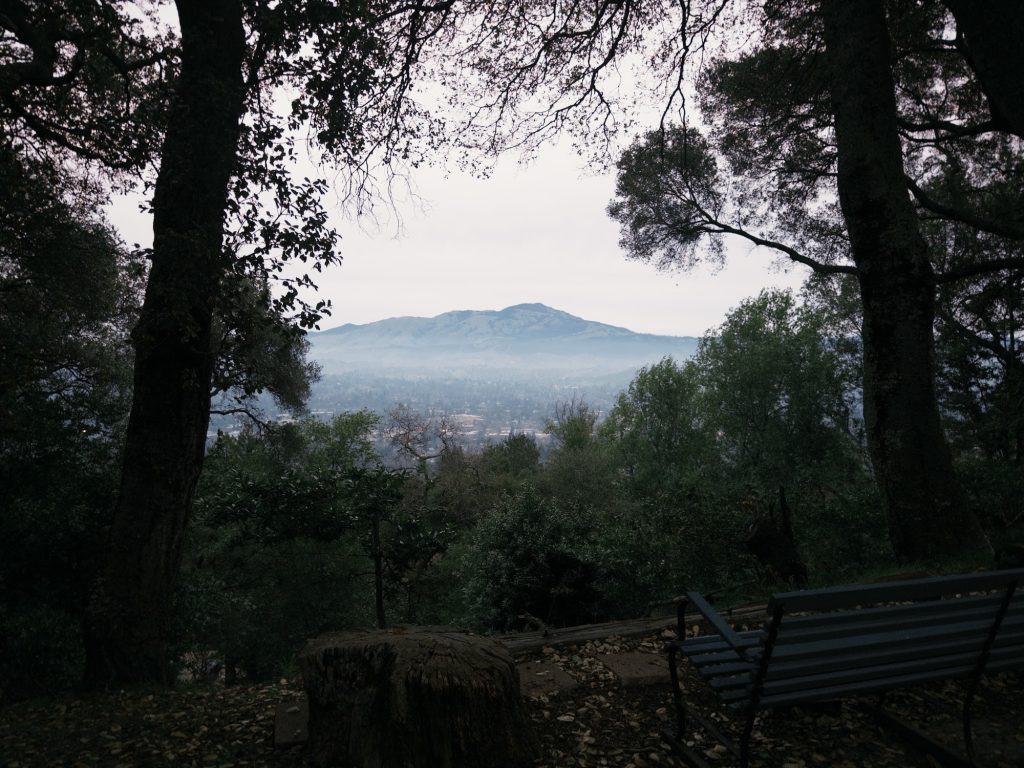
Mt. Diablo as seen from The San Damiano Retreat Center in Danville, California

After the training, participants were placed into small cohorts. Since January, our cohort has met monthly — checking in, sharing what we are learning during our story circles, and preparing for what comes next. We will have a second in-person training (October 2026, back in Danville), and each pair is expected to complete three storytelling circles within our community before then.

I am currently organizing Mosaic’s first story circle with our staff, set to begin in early June. We don’t know what the Spirit will bring, but I hope it will be a rich time for all of us together.

This experience has opened a door. Mosaic Conference and MennoMedia are now in conversation about building something together — a longer-term collaboration that puts what we’re learning about storytelling to work for Anabaptist communities. The shape of that project is still forming, but a grant is already in place to support it.

Stay tuned for any updates as this work develops.


Cindy Angela

Cindy Angela is the Director of Communication for Mosaic Conference. She is an Associate Pastor at Philadelphia (PA) Praise Center, and she lives in South Philadelphia with her husband, Andy, and son, Noah.

Mosaic values two-way communication and encourages our constituents to respond with feedback, questions, or encouragement. To contact Cindy Angela, please email cangela@mosaicmennonites.org.

Filed Under: Articles Tagged With: MennoMedia

The Gifts of Serving in a Small Town Church

December 12, 2024 by Cindy Angela

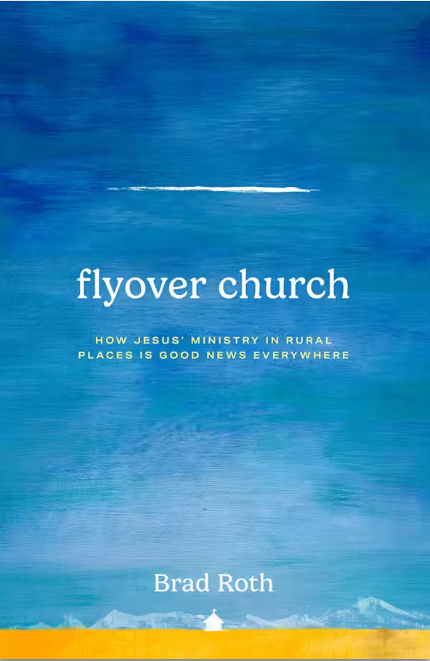
A Book Review of Brad Roth’s Flyover Church

by Steve McCloskey, Pastor, Taftsville Chapel Mennonite Fellowship

© 2024 Menno Media

I grew up in the Washington DC Metropolitan area and as an adult served in urban and suburban churches in places that included: Philadelphia, PA, Columbus, OH, and somewhere in New Jersey that was so busy and hectic that I didn’t have time to learn the name. I now find myself to be a pastor serving at a slower pace, in a small church, in a small town, in the second-least populated state of the country, Vermont. 

Reading author and pastor Brad Roth’s book Flyover Church: How Jesus’ Ministry in Rural Places Is Good News Everywhere has helped illuminate the experience of rural ministry. The book’s title calls attention to the miles of land in North America (between the airports of major cities) that has been called “flyover country”.  

The phrase suggests that these places (and the people who inhabit them) are looked over, looked down upon, and in between the airports and important places—the cities and population hubs. 

The beautiful hills of Vermont are not the same landscape as the plains of Kansas, but I related to the rhythms of small-town pastoring that Roth describes in Chapter 2, particularly his description of being in the wilderness. It is in the wilderness that Jesus is shaped, formed, and prepared for ministry. It is in the wilderness that solitude is found. The wilderness can also be a place of loneliness and temptation, due to the remoteness of these regions (Roth calls it “the abyss”).  

Roth notes that many pastors (rural, urban, and suburban) hold the mindset that “real ministry” takes place in large churches, in populated areas connected to power and influence. Indeed, real ministry does take place in those places, but not only in those places. We in rural congregations need the reminder that real ministry is taking place in our small towns too–and that we offer gifts to the Body of Christ that may not be possible in the large cities.  

We may not see immediate impact in large numbers of souls; but numbers aren’t what ministry is all about; the Good Shepherd leaves behind the 99 sheep to find the one out in the wilderness. And in interacting with that one sheep, in that remote place, the shepherd is in a place of influence. Every person matters to Jesus—and small towns and small churches might be able to see that more clearly in a community where everyone knows each other’s name. 

It is in rural places that farms are possible, and large quantities of crops and livestock feed most of the world. Jesus modeled finding spiritual sustenance in rural places, too. In small, slow, quiet congregations in farm and mountain communities, deep relationships are possible in ways to which fast-paced metropolitan life doesn’t easily lend itself. Rural places can feed us—body, soul, and spirit. 

It is in rural places that the early Christian monastics (the desert fathers and mothers) chose to pursue the contemplative life. It is in “flyover country” that humility can be cultivated and matured; we receive less of the often-distracting social reinforcement found in cities, and instead, we encounter ourselves and the Spirit of God in solitude. 

As I read Roth’s phrase “Where Am I?” in Chapter 1, I found myself called to the gift of being fully here, present to where I am, in the moment. As I read on, I began circling almost every use of the word “here” in the book, noticing how much being “here” is implicit in the call to ministry, wherever we are. 

The quietness of rural life presents an opportunity to attune to the present moment and place where we find ourselves. There is less traffic, noise, and distraction. We are rooted somewhere that can be a refuge and sanctuary from the hurried pace of noise-polluted places. We, in the rural places, in “flyover churches,” can offer retreat to those in the urban areas when their souls need respite. 

Roth draws on personal experiences that include the Pike Place market in Seattle to reading J.D. Vance’s best-selling Hillbilly Elegy to make sense of himself as a pastor in his Kansas context. But he draws even more from the Gospel according to Mark, highlighting Jesus’ ministry in the Galilean agrarian hillsides and wilderness as one resonates with rural life.  

Flyover Church offers a relatable, thoughtful read for anyone interested in the flourishing of churches—urban, suburban, or rural. Even in “flyover country”, we are called into the Good News of the kingdom of God, and the recognition that, wherever we are, God is here.  


Steve McCloskey

Steve McCloskey (M. Div, MPA) serves as the Pastor of Taftsville Chapel Mennonite Fellowship in Vermont. Steve is a volunteer firefighter, recurring columnist for the Vermont Standard, a recovering sinner and disciple of Jesus, and father of Jacob and Silas. Steve enjoys hiking, praying, and exploring the hills of New England and occasionally playing Nintendo Switch with his kids and their friends.

Filed Under: Articles Tagged With: Book Review, MennoMedia, Steve McCloskey, Taftsville Chapel Mennonite Fellowship

Primary Sidebar

  • Home
  • About Us
    • Our History
    • Vision & Mission
    • Staff
    • Boards and Committees
    • Church & Ministry Directory
    • Mennonite Links
  • Media
    • Articles
    • Newsletters
    • Video
    • Audio
    • Bulletin Announcements
  • Resources
    • Conference Documents
    • Missional
    • Intercultural
    • Formational
    • Stewardship
    • Church Safety
    • Leaders’ Resources
    • Request a Speaker
    • Pastoral Openings
    • Job Openings
  • Give
  • Events
    • Delegate Assembly
    • Youth Event
    • Conference Calendar
  • Mosaic Institute
  • Vibrant Mosaic
  • Contact Us

Footer

  • Home
  • Contact Us
  • Delegate Assembly
  • Vision & Mission
  • Our History
  • Formational
  • Intercultural
  • Missional
  • Mosaic Institute
  • Give
  • Stewardship
  • Church Safety
  • Leaders’ Resources
  • Articles
  • Bulletin Announcements

Copyright © 2026 Mosaic Mennonite Conference | Privacy Policy | Terms of Use
Aligned with