
Book Review by Hendy Matahelemual
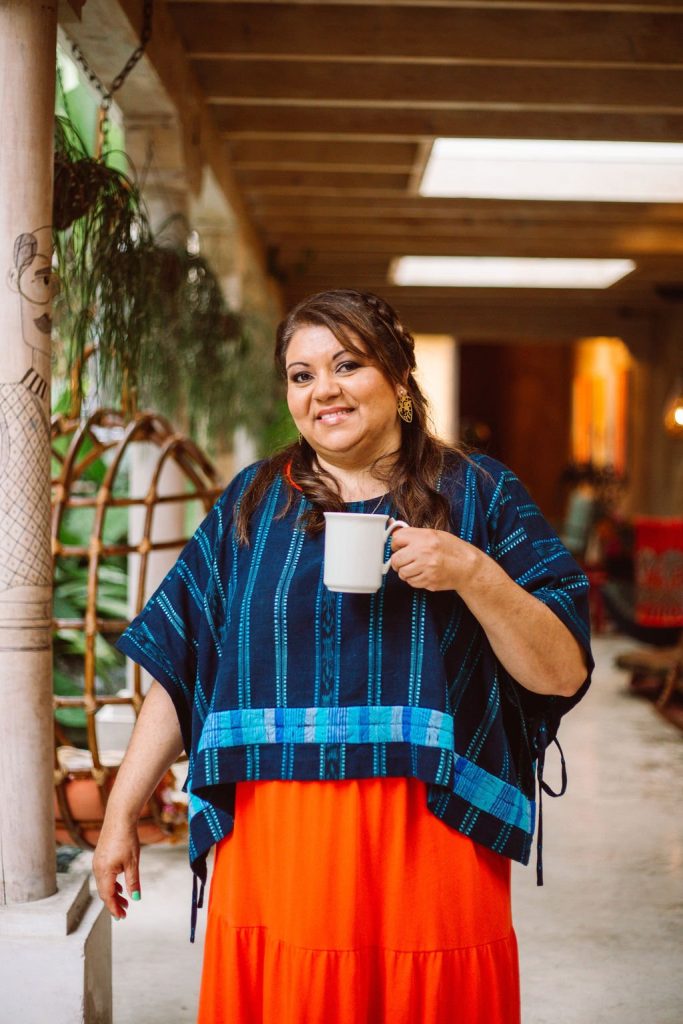
Editor’s Note: Karen González is the featured speaker at the Friday night gathering on November 6, part of Mosaic Conference’s Fall Delegate Assembly. All are welcome to join this time of small group sharing, dinner (Central American food), worship, fellowship, and an ice cream social. Please register here to attend.
Karen González’s The God Who Sees: Immigrants, the Bible, and the Journey to Belong (2019) is more than a book about immigration. It is a book about people, faith, belonging, and a God who sees those who sometimes feel invisible. González brings together her own story as an immigrant from Guatemala with stories of immigrants, foreigners, and displaced people throughout the Bible. Through people like Abraham, Hagar, Ruth, Joseph, and even Jesus and his family, she reminds us that migration is not something foreign to the biblical story. It is deeply connected to the story of God and God’s people.
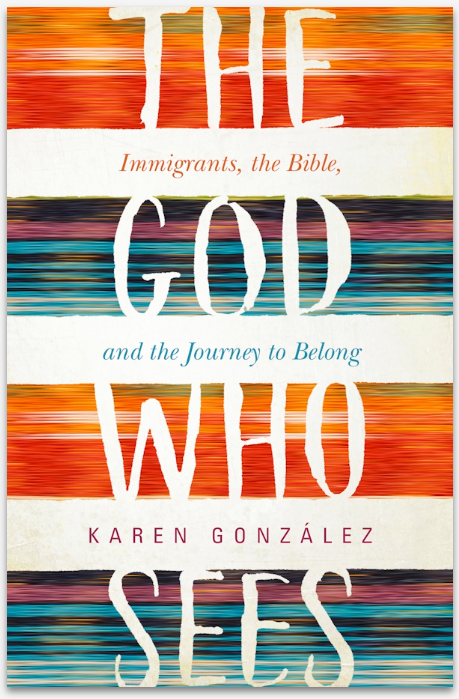
One of the most powerful images in the book comes from Hagar, who encounters God in the wilderness and calls God “the God who sees me.” Hagar was a foreigner, a woman without much power, and someone who found herself alone and vulnerable. Yet God saw her. This becomes a beautiful picture of hope for immigrants and others who live on the margins. When society does not see them, God sees them. When systems treat people simply as numbers, cases, or problems to solve, God knows their names and their stories.
As an immigrant from Indonesia, I personally connect with much of what González writes. Immigration is more than moving from one country to another. It affects our identity, our family, our sense of security, and our understanding of where we belong. There are moments when we feel welcomed, but there are also moments when we feel like strangers. There are times of uncertainty, experiences of discrimination, and encounters with systems that can feel oppressive. Yet in the middle of all of this, I have also experienced hope.
For me, one of the places where that hope becomes real is the church. The church is more than a community that gathers for worship on Sunday. The church is home. The church is family. When you are thousands of miles away from the place where you were born, having people who walk with you, pray with you, eat with you, laugh with you, and stand beside you during difficult seasons matters.
And just like any family, sometimes we have disagreements and conflicts. We do not always see things the same way, and sometimes relationships can be difficult. But that is part of life together as a family. We learn to listen, forgive, reconcile, and continue walking together. For me, that is also what belonging means—not that everything is always perfect, but that we still choose to be family.
The God Who Sees reminds me that God does not overlook immigrants, strangers, or anyone searching for a place to belong. God sees us, and the church is called to see people as God sees them and create a place where everyone can belong. I am looking forward to hearing González in person at the Mosaic Conference Fall Assembly this November at the Friday night gathering, and continuing this important conversation about immigration, faith, and belonging.
Hendy Matahelemual
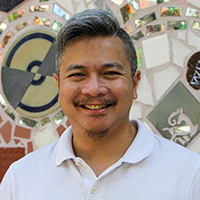
Hendy Matahelemual is the lead pastor of Indonesian Light Church in South Philadelphia, PA. He and his wife, Marina, will lead worship at this year’s Assembly.
Mosaic values two-way communication and encourages our constituents to respond with feedback, questions, or encouragement. To share your thoughts or send a message to the author(s), contact us at communication@mosaicmennonites.org.
The opinions expressed in articles posted on Mosaic’s website are those of the author and may not reflect the official policy of Mosaic Conference. Mosaic is a large conference, crossing ethnicities, geographies, generations, theologies, and politics. Each person can only speak for themselves; no one can represent “the conference.” May God give us the grace to hear what the Spirit is speaking to us through people with whom we disagree and the humility and courage to love one another even when those disagreements can’t be bridged.