• Skip to main content
  • Skip to primary sidebar
  • Skip to footer

Mosaic MennonitesMosaic Mennonites

Missional - Intercultural - Formational

  • Home
  • About Us
    • Our History
    • Vision & Mission
    • Staff
    • Boards and Committees
    • Church & Ministry Directory
    • Mennonite Links
  • Media
    • Articles
    • Newsletters
    • Video
    • Audio
    • Bulletin Announcements
  • Resources
    • Conference Documents
    • Missional
    • Intercultural
    • Formational
    • Stewardship
    • Church Safety
    • Leaders’ Resources
    • Request a Speaker
    • Pastoral Openings
    • Job Openings
  • Give
  • Events
    • Delegate Assembly
    • Youth Event
    • Conference Calendar
  • Mosaic Institute
  • Vibrant Mosaic
  • Contact Us
  • English

What I'm Learning

The Layers of Intercultural Work

October 21, 2026 by Cindy Angela

by Danilo Sanchez

Recently I was conversing with two of my PhD classmates as we gathered in Florida for the new semester. We each shared about our summers and family activities. One classmate had a young child who was just starting school, and they were talking about vouchers in the Florida school system. Vouchers gave them the option to send their child to a private school 20 minutes from their home that had a high rating rather than the local school just eight blocks away, which they described as “trash.” While they appreciated the diversity of their majority-Hispanic neighborhood, they couldn’t imagine their child attending the local school.

On the plane ride to Florida, I had been reading Robin DiAngelo’s book Nice Racism: How Progressive White People Perpetuate Racial Harm. In chapter 5, she describes how white supremacy continues to function in ways that keep our lives racially segregated. White people often have the choice not to interact with people of color if they don’t want to, through decisions about where they live, where they receive medical care, and where they send their children to school. And, she argues, they can be rewarded for those choices.

There is often no indication to white people that we are missing out on anything by not being in relationship with people of color, which allows segregation to continue. DiAngelo challenges white progressives who champion anti-racism while also participating in systems that uphold white supremacy. The U.S. education system is one example of how racial segregation and inequality can persist. Those with the financial means and upward mobility to send their children to schools they perceive as better will often do so to provide their children with greater opportunities.

While seeking a good education is admirable and something any parent would want for their child, DiAngelo points out that these individual choices can also contribute to a system in which lower-income students, disproportionately students of color, do not have access to the same educational opportunities.

DiAngelo’s words were in the back of my mind as I listened to my classmate. Here it was, a real-life example. As I stood there processing the conversation, I felt a sense of guilt rise within me. Our daughters attend a charter school and do not attend public school in the Allentown (PA) school district, which is majority people of color and has lower school ratings. By sending our daughters to a charter school, we are unintentionally upholding white supremacy and education inequality. I am part of the problem. DiAngelo’s words pierced my own heart.

Our intercultural work is a journey. There is always more to uncover within ourselves and more to understand about oppressive systems. It requires us to never stop growing, learning, and changing. Are we committed to that journey? Are we open to being changed by the love and justice of Jesus?

I am learning that our intercultural work is layered. It may require me to confront my own complicity, whether knowingly or unknowingly, in oppressive systems. It may require me to go back and apologize to someone or to do better the next time.

I am willing to engage in that hard work because I believe the reward is a more whole and just kingdom of God.


Captivating close-up of a water droplet splashing into a pond, forming mesmerizing ripples.

Danilo Sanchez

Danilo Sanchez is the Leadership Minister for Intercultural Transformation for Mosaic Conference.


Filed Under: Articles Tagged With: Danilo Sanchez, What I'm Learning

How May I Help You?

October 15, 2026 by Cindy Angela

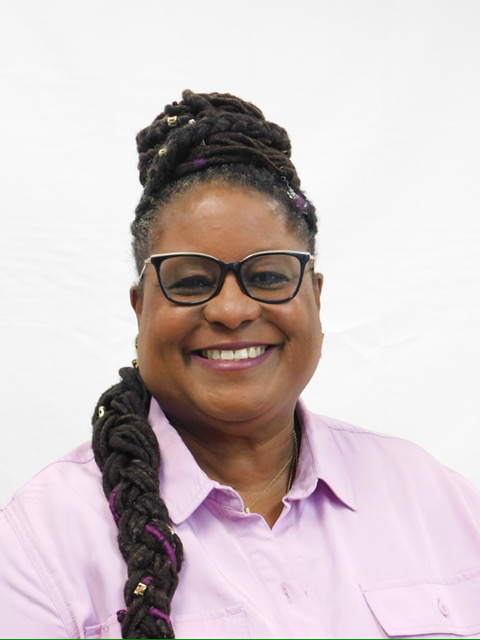
by Jaye Lindo

Hospitality, by definition, involves other people. It’s not about you or me; it is about the We of Mosaic. As Mosaic’s Hospitality Coordinator, I love to see the many ways that Mosaic Conference embraces hospitality across our community.

Photo may be AI-generated.

We show hospitality through our actions as we love God and each other. Mosaic’s practices provide us an opportunity to show hospitality – for example, through mutual invitation or circle process in our gatherings. In our events, like the Oasis conference or delegate prep sessions, we have the opportunity to welcome each other across differences. And we’re invited to do so in our equipping and leadership development spaces, like the Ambassadors, or the new Art of Preaching cohorts.

This summer, I got to spend time with some of the Ambassadors at their closing retreat, leading a session on spiritual direction. I was struck by how they didn’t fear the unknown and were willing to share openly with each other. They were willing to go beyond their own communities and comfort zones, and the program is stronger because of it.

I have observed in many of our meetings how space is given for each person to be heard, engage, and grow in relationship with one another – even when our languages and traditions are different. In fact, we are creating new traditions together.

In the Centering Document published last year, I was struck by the encouragement for all of us, in our communities, to offer high expectations and gracious hospitality as we become, love, and live like Jesus. We consider where God is on the move, and if we are being faithful to God’s call as Jesus followers, in all that we do. We are gracious with one another, assuming good intentions, even when we don’t see eye to eye.

This can show up when we host someone in our home, each with our own different expectations about what hospitality looks like. Hosting and being hosted both require us to offer something and receive something. That is mutual hospitality.

It can also show up when we seek to learn each other’s languages, or when we work together, using a translation app, to understand one another. We are invited to challenge ourselves, learn about others’ cultures, and seek first the Kingdom of God.

We must remain centered and focused on Jesus, committed to serving God and each other in all that we do. Let Jesus show us that there truly are no differences in him.

3 John 1:5-8 reminds us of the value of hospitality. Read from the MSG Version:

Dear friend, when you extend hospitality to Christian brothers and sisters, even when they are strangers, you make the faith visible. They’ve made a full report back to the church here, a message about your love. It’s good work you’re doing, helping these travelers on their way, hospitality worthy of God himself! They set out under the banner of the Name and get no help from unbelievers. So they deserve any support we can give them. In providing meals and a bed, we become their companions in spreading the Truth.

Mosaic family, keep modeling this good work!

My mother never met a stranger. I try to embody that same sentiment every time I interact with you, via talking, text, email, or WhatsApp. If you are in need or have a question, I hope to consistently say with a smile:

“Hi, my name is Jaye Lindo, and I am Mosaic’s Hospitality Coordinator. How may I help you?”

And I hope that when I call you, I will hear you say:

“Hi, I am your Mosaic family centered on Jesus Christ. How may I help you?”

It’s the Mosaic way—mutually. Amen.


Jaye Lindo

Jaye Lindo is the Hospitality Coordinator for Mosaic Conference and serves as Pastor of 7 Ways Home Fellowship in Bowie, MD. She provides spiritual companioning relationships with Mosaic.

Mosaic values two-way communication and encourages our constituents to respond with feedback, questions, or encouragement. To contact Jaye Lindo please email jlindo@mosaicmennonites.org.

Filed Under: Articles Tagged With: Jaye Lindo, Mosaic from My Eyes, What I'm Learning

Primary Sidebar

  • Home
  • About Us
    • Our History
    • Vision & Mission
    • Staff
    • Boards and Committees
    • Church & Ministry Directory
    • Mennonite Links
  • Media
    • Articles
    • Newsletters
    • Video
    • Audio
    • Bulletin Announcements
  • Resources
    • Conference Documents
    • Missional
    • Intercultural
    • Formational
    • Stewardship
    • Church Safety
    • Leaders’ Resources
    • Request a Speaker
    • Pastoral Openings
    • Job Openings
  • Give
  • Events
    • Delegate Assembly
    • Youth Event
    • Conference Calendar
  • Mosaic Institute
  • Vibrant Mosaic
  • Contact Us

Footer

  • Home
  • Contact Us
  • Delegate Assembly
  • Vision & Mission
  • Our History
  • Formational
  • Intercultural
  • Missional
  • Mosaic Institute
  • Give
  • Stewardship
  • Church Safety
  • Leaders’ Resources
  • Articles
  • Bulletin Announcements

Copyright © 2026 Mosaic Mennonite Conference | Privacy Policy | Terms of Use
Aligned with