
by Stephen Kriss, Executive Minister
As the great-grandson of immigrants from Slovakia, I have glimpses into the desire for autonomy. Many Slovaks fled the Magyarization process in the early 20th century, when Slovakia was absorbed into the Austro-Hungarian Empire. They longed for autonomy which was granted briefly under the Nazi regime and then after World War II with the (re-)creation of Czechoslovakia under Soviet influence. The Velvet Revolution eventually granted both Slovakia and the Czech Republic their autonomy after the fall of the Berlin Wall.
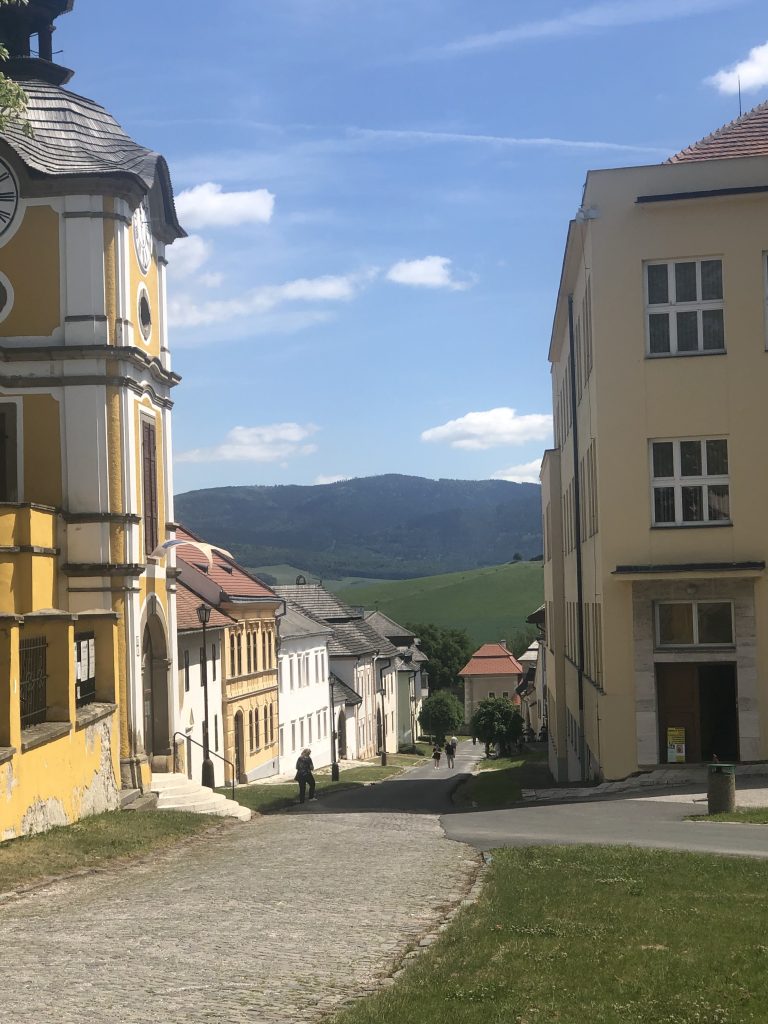
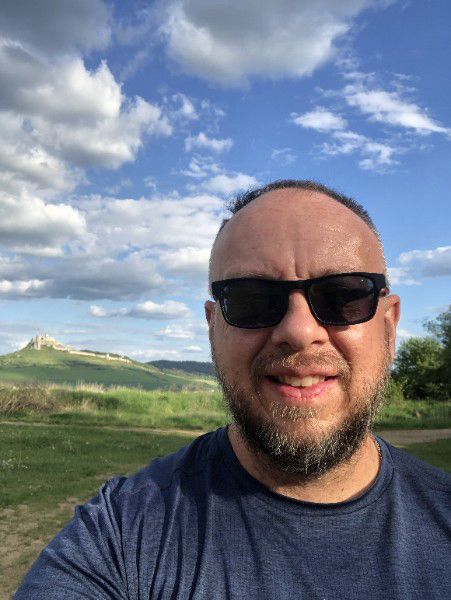
For better or worse, Slovaks can now chart their own path in the tensions of Central Europe. Yet even as an independent country, Slovakia has chosen to participate in something larger than itself through membership in the European Union. The history of 20th-century Europe was a constant process of absorbing and autonomizing, of forming and reforming identities and relationships. The current conflict between Russia and Ukraine is the most recent violent chapter in that long story.
I have described our journey over the last year in Mosaic as one toward autonomy.
Vaclav Havel, the Czech writer who led the Czech Republic in its early years as an independent European nation, suggested that the period after a major transition represents both possibility and danger. When an old system has passed away but a new one has not yet fully emerged, there is a sense of newness and disruption as new forces stake claims about identity and trajectory.
This has also been true for us in Mosaic.
For some of us, this season has felt like breathing space. Others of us are still mourning. Some of us wonder if we really belong. Some of us wish we could return to where we were. Others of us are charting a path toward a bright and hopeful future. As a leader, I have been living in the in-between of all of this.
Pastor John Ortberg writes that leadership is the art of disappointing people at the rate they can absorb. I have felt the weight of that in a new way this past year.
I spent some months mourning that we had not reached a reconciliatory place with Mennonite Church USA. At the same time, I also sensed relief in no longer navigating the tensions that had emerged through our membership. Our posture of partnership takes work and ongoing attention. There are not yet established rhythms or well-worn paths for these relationships. We have to build new paths while also reworking some of the old ones.
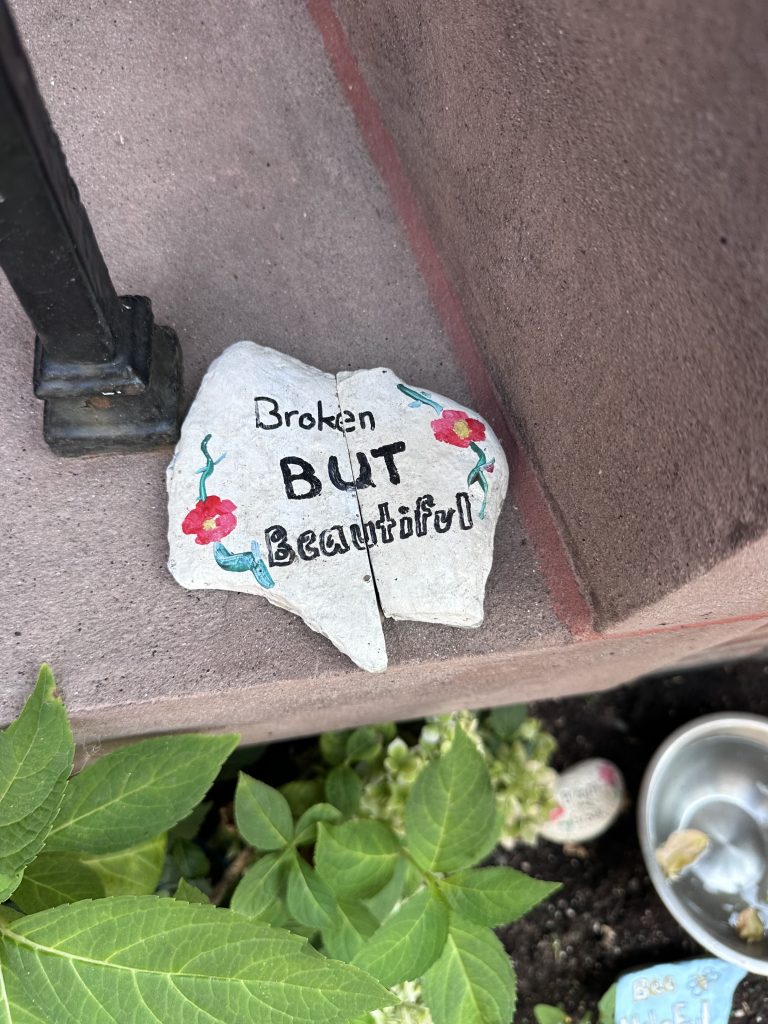
We have not navigated any of this perfectly. Yet I have landed in a place where I trust Jesus’ promise that “the gates of hell will not prevail.” Peter is told that the church will be built on people like him, who are passionate, faithful, fickle, and fumbling. Brokenness and beauty exist alongside one another, including within our failures. Peter’s story is one of conversation, progress, and slippage; of missing the point sometimes, yet continuing to strive toward the kingdom.
I am learning that God is with us in the process.
I am learning that the path ahead for Mosaic is to keep moving at the pace God reveals.
Havel once encouraged his people not simply to stare at the steps ahead, but to take the next step. Faith involves trusting that the next step will appear in its time.
For me, this is what becoming Mosaic looks like right now: taking the next step, together. Breathing deeply. Paying attention to where God is leading. Trusting in the way and words of Jesus who is by our side every step of the way.
The opinions expressed in articles posted on Mosaic’s website are those of the author and may not reflect the official policy of Mosaic Conference. Mosaic is a large conference, crossing ethnicities, geographies, generations, theologies, and politics. Each person can only speak for themselves; no one can represent “the conference.” May God give us the grace to hear what the Spirit is speaking to us through people with whom we disagree and the humility and courage to love one another even when those disagreements can’t be bridged.