
by Kiron Mateti
Editor’s Note: We are deeply grateful to the Mosaic Mennonite Conference board members who concluded their terms at the end of 2025. This article is part of a short reflection series from these leaders on their service with the Mosaic board.
When I first agreed to join the Mosaic Mennonite Conference Board back in 2018, I wasn’t sure what I was stepping into. My wife, Rachel, had introduced me to Anabaptism, and I was still new to the Mennonite world. When fellow Plains Mennonite (Hatfield, PA) member Jim King’s term was ending, he asked if I would consider being nominated.
I was open to it, though I didn’t have experience serving in the leadership of an organized religious body. I wasn’t a pastor, didn’t grow up Christian, and didn’t come from an ethnic Mennonite background. I was a robotics engineer with a PhD. It was Executive Minister Stephen Kriss who helped me see that those differences would provide valuable perspectives on the board.
I’ve now served two terms, and as I finish my time on the board, I have been invited to reflect on how these years have shaped me.
One of the most meaningful experiences came early on, in 2019, when I traveled with a group of Mosaic leaders to Mexico City for the 60th anniversary celebration of Anabaptist churches there. I only spoke a little Spanish but the warmth, hospitality, and exuberant worship I encountered transcended language. I’ll never forget how joyfully people welcomed us. That trip helped root me in Mosaic’s intercultural identity as a lived, relational reality.
I’m especially proud to have been part of the merger between Franconia Conference and Eastern District. It felt, at the time, like such a hopeful act: two bodies aligned in mission choosing unity. I remember thinking, “If only more churches could do this.” That season remains one of the most rewarding parts of my board service.
Serving on the Pathway Steering Team was one of the most challenging experiences. We met for nearly two years, on Zoom and in person, and got to know each other fairly well. What we were tasked with, though, trying to craft recommendations about Mosaic’s future, including related to affiliation with Mennonite Church USA, amid such a diverse constituency, was very challenging. When there was miscommunication, it drained me. And now, the end result of discontinuing membership with Mennonite Church USA feels painful.
Consensus, deeply valued in Anabaptist tradition, can be both beautiful and excruciating. Sometimes it leads to clarity and sometimes it leads to paralysis. I often felt torn between honoring unity and honoring my own convictions.
Ambiguity, uncomfortable as it is, can also be a space of forbearance. The 2025 Centering Document revealed that tension—it satisfied neither edge fully, perhaps because living in unity requires us to live amid some ambiguity. Yet we also need to make space to talk about some of the polarizing issues of our time, like queer inclusion.
In six years, Mosaic has changed drastically. When I began, the board was far less culturally diverse. I had to adjust to Robert’s Rules of Order and a kind of formality that felt foreign to me. Over time, though, our leadership and membership has shifted, and a sense of relationality has increased.
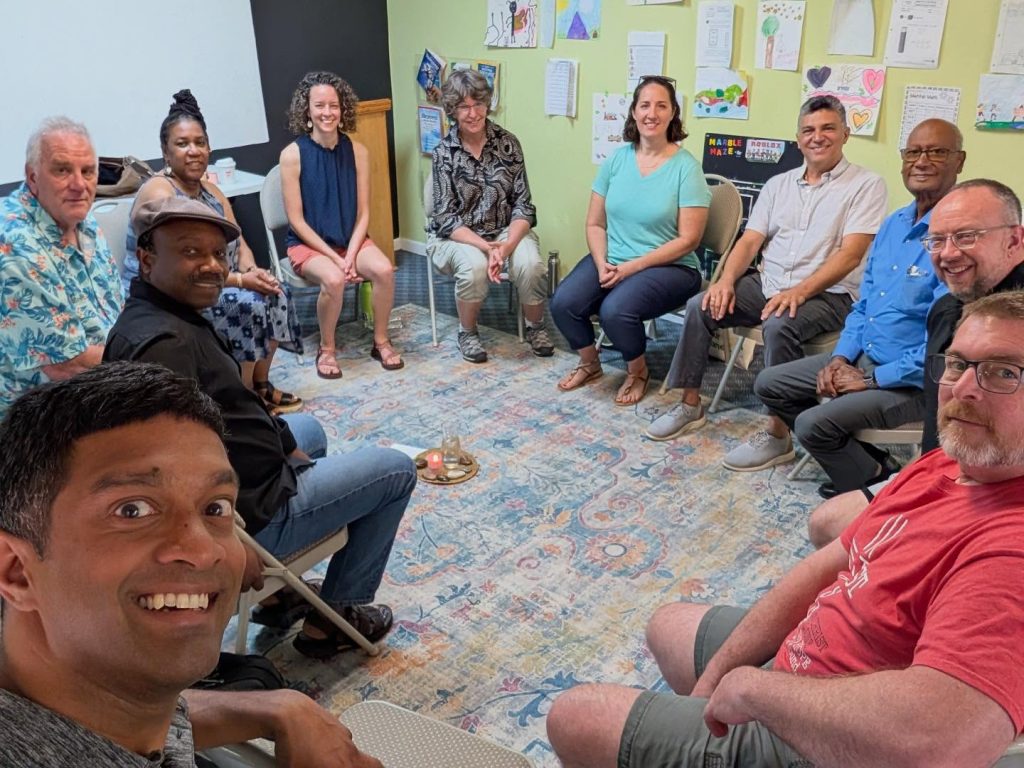
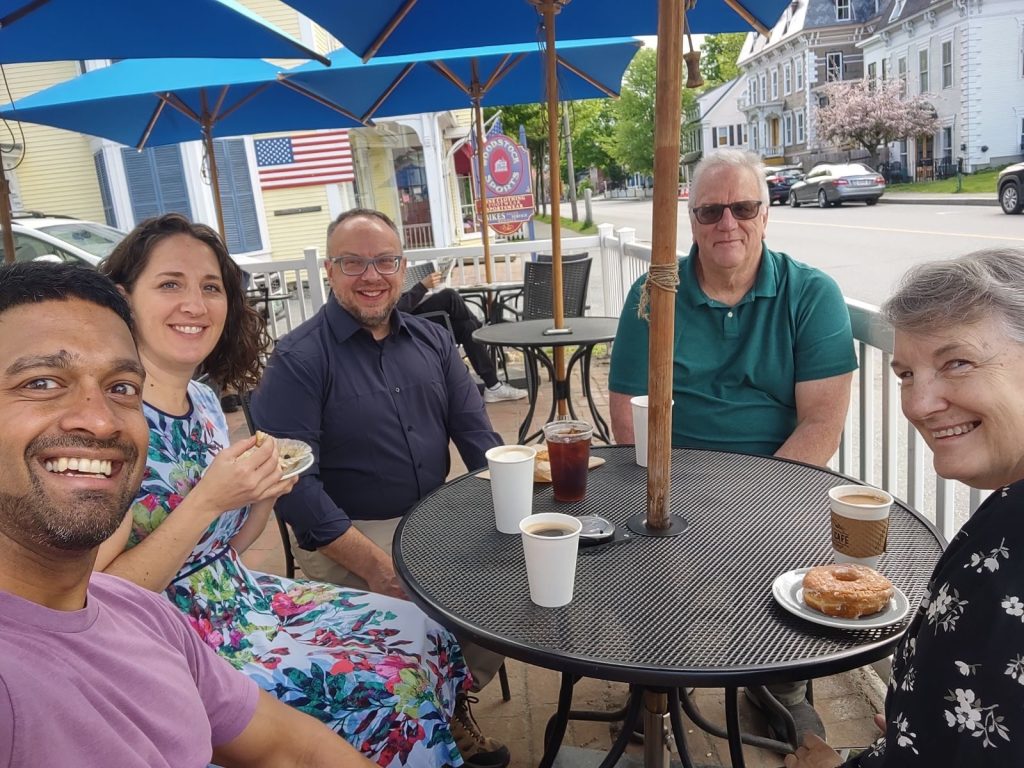
We have gained many Spanish and Indonesian-speaking congregations and become more geographically diverse. At the same time, some predominantly white, theologically conservative churches have departed. Intercultural growth has been rapid, and even jarring for some, but I’ve witnessed genuine transformation. Watching more people of color step into leadership has changed power dynamics in healthy, necessary ways.
As I step off the board, my hopes for Mosaic are rooted in what I’ve already seen emerging: stronger regional collaboration like the MennoNights for youth in southeastern PA, more connection across geography and culture, and continued growth in intercultural transformation and immigrant justice. I hope we can find ways—whether through in-person relationships or creative uses of Zoom—to help congregations interact with others who are different from them. I hope we keep leaning into diversity as a gift rather than a threat.
And I hope we can agree, at minimum, to practice forbearance with each other. That may mean clarifying bylaws so congregations can live out their convictions, without guilt by association, and remain one body, moving toward Jesus together.

Kiron Mateti
Kiron Mateti attends Plains Mennonite Church (Hatfield, PA) and lives in Telford, PA with his wife Rachel, and kids.
Mosaic values two-way communication and encourages our constituents to respond with feedback, questions, or encouragement. To share your thoughts or send a message to the author(s), contact us at communication@mosaicmennonites.org.
The opinions expressed in articles posted on Mosaic’s website are those of the author and may not reflect the official policy of Mosaic Conference. Mosaic is a large conference, crossing ethnicities, geographies, generations, theologies, and politics. Each person can only speak for themselves; no one can represent “the conference.” May God give us the grace to hear what the Spirit is speaking to us through people with whom we disagree and the humility and courage to love one another even when those disagreements can’t be bridged.